स्टोरी फोकस
Earth’s Most Breathtaking Mountain Lakes: A Visual Exploration
There’s something uniquely captivating about mountain lakes—their crystal-clear waters reflecting snow-capped peaks, their shores framed by rugged terrain, and the sense of accomplishment that comes with reaching them, whether by hike, train, or boat. Unlike the vast, open ocean, these high-elevation gems feel intimate yet grand, each with its own personality shaped by the mountains that cradle them. From vibrant blue glacial pools to sprawling bodies of water dotted with islands, mountain lakes offer endless opportunities for adventure, relaxation, and wonder. Whether you’re drawn to water sports, hiking, wildlife watching, or simply soaking in the scenery, there’s a mountain lake to suit every traveler. Let’s dive into ten of the world’s most stunning examples.
Joshua Morgan
रिपोर्टर
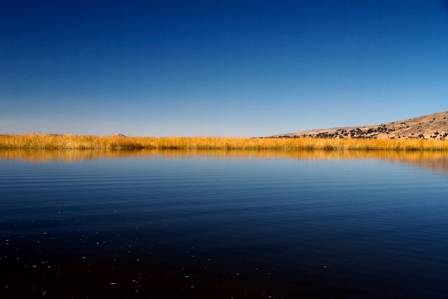
There’s something uniquely captivating about mountain lakes—their crystal-clear waters reflecting snow-capped peaks, their shores framed by rugged terrain, and the sense of accomplishment that comes with reaching them, whether by hike, train, or boat. Unlike the vast, open ocean, these high-elevation gems feel intimate yet grand, each with its own personality shaped by the mountains that cradle them. From vibrant blue glacial pools to sprawling bodies of water dotted with islands, mountain lakes offer endless opportunities for adventure, relaxation, and wonder. Whether you’re drawn to water sports, hiking, wildlife watching, or simply soaking in the scenery, there’s a mountain lake to suit every traveler. Let’s dive into ten of the world’s most stunning examples.
Lake Titicaca, Peru and Bolivia
Lake Titicaca, the second-largest lake in South America, stretches across the border of Peru and Bolivia, its expanse so vast it resembles an inland sea—covering more than twice the area of Rhode Island. Beyond its size, what makes Titicaca extraordinary is its unique blend of natural and cultural wonders: it’s dotted with both natural islands and floating villages, where the Uros people have built homes and communities using water-resistant totora reeds. The majestic Andes Mountains form a dramatic backdrop, adding to the lake’s awe-inspiring beauty.
Travelers looking to immerse themselves in local culture can stay in hospedajes (lodges) run by the Uros people, available via Airbnb, or opt for luxury stays like Titilaka, which offers lakeside rooms and guided tours. These excursions include boat trips across the lake and visits to ancient sites such as the Sillustani funeral ground, where centuries-old stone structures tell stories of the region’s past.
Lake Louise, Canada
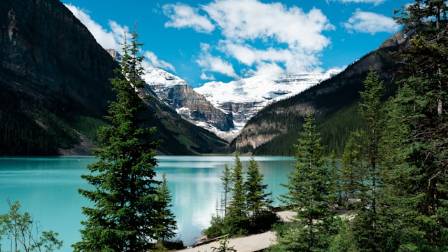
Nestled in Banff National Park, Lake Louise is often hailed as one of Canada’s most iconic natural treasures. Its claim to fame is its striking turquoise waters, a result of glacial silt, set against a backdrop of towering, snow-capped peaks. The grand Fairmont Chateau Lake Louise, a historic hotel perched on the shore, adds a touch of elegance to the wild landscape.
Lake Louise is a year-round destination. In summer, visitors can kayak or canoe across its calm waters, cycle the 4.4-mile Bow River Loop, or go horseback riding with local outfitters like Brewster Adventures. When winter arrives and the lake freezes over, it transforms into a playground for ice skaters, snowshoers, and cross-country skiers, with the snow-dusted mountains creating a postcard-perfect scene.
Lake Pehoé, Chile
At the heart of Chile’s Torres del Paine National Park lies Lake Pehoé (pronounced “pay-oh-way”), a glacial lake whose icy waters rarely warm above 60 degrees Fahrenheit—making swimming a rare activity. Despite the chill, it’s one of the most photographed spots in Patagonia, thanks to its commanding views of the Cuernos del Paine (Horns of Paine), a set of jagged mountain peaks that rise dramatically behind the lake.
Wildlife enthusiasts will delight in the chance to spot guanacos, pumas, and Andean condors in the surrounding area. A short trip from the lake leads to Salto Grande, the largest waterfall in the national park, where water plummets 50 feet amid winds that can reach 100 miles per hour creating a thrilling, albeit windy, spectacle.
Lake Como, Italy
Lake Como, in northern Italy, is a masterclass in blending natural beauty with human artistry. While its neoclassical villas, luxury hotels, and charming lakeside towns often steal the spotlight, the lake itself is a natural wonder: surrounded by limestone and granite mountains, its shores are lined with lush gardens filled with fig, pomegranate, and oleander trees.
Exploring the lake is part of the fun. Visitors can cruise across its glistening waters on a historic steamer or a sleek speedboat, taking in views of villages like Bellagio, Varenna, and Menaggio. For those wary of navigating the region’s winding roads, trains from Milan run directly to the town of Como, and an affordable ferry system makes hopping between lakeside towns a breeze.
Attabad Lake, Pakistan
Attabad Lake’s story is one of resilience. Formed in 2010 after a massive landslide blocked the Hunza River, submerging villages and displacing thousands, the lake has since become a symbol of renewal. Today, it’s one of the top tourist attractions in Pakistan’s Gilgit-Baltistan region, drawing over two million visitors annually with its striking blue-green waters and mountainous surroundings.
Tourism has played a key role in the local recovery, and travelers are encouraged to support small businesses—staying in family-run guesthouses, dining at local eateries, and hiring guides from the area. These guides can arrange trips to nearby sites like Ondra Fort, adding depth to the visit while contributing to the community’s revival.
Lake Tahoe, California and Nevada
Straddling the border of California and Nevada, Lake Tahoe is not only the largest freshwater lake in the Sierra Nevada but also one of the world’s oldest, with a history spanning over 130,000 years. Its clarity and deep blue waters, surrounded by pine forests and snow-capped peaks, make it a magnet for outdoor enthusiasts.
Summer brings kayakers, sailors, and sunbathers to its shores, while hikers tackle the Tahoe Rim Trail, which offers panoramic views of the lake. In winter, the area transforms into a skiing paradise, with world-class resorts attracting snow sports lovers. A 72-mile drive around the lake is a must—take your time to stop at Sand Harbor for a picnic, browse the shops in Incline Village, or admire the boats at Tahoe City Marina.
Lake Kawaguchi, Japan
Lake Kawaguchi is the most popular of Japan’s Fuji Five Lakes, located near the resort town of Fujikawaguchiko and offering some of the best views of Mount Fuji. It’s the second largest of the five lakes by surface area and boasts the longest shoreline, making it a hub for visitors eager to explore the region, especially during Mount Fuji’s climbing season.
To fully experience Lake Kawaguchi, plan a two-day stay. Highlights include the Fuji Omuro Sengen Shrine, Oishi Park, famous for its cherry blossoms and the iconic Chureito Pagoda, where the pagoda’s red tiers perfectly frame Mount Fuji in photos. Winter is the best time to visit for clear views of the mountain, as the dry, crisp air often reveals Fuji’s snow-capped peak in all its glory.
Lake Lucerne, Switzerland
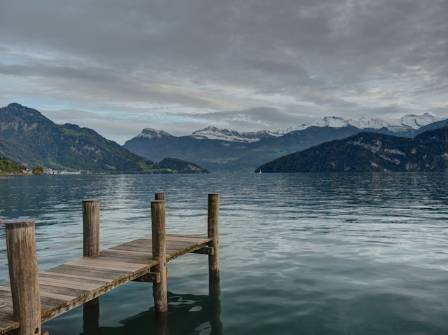
Lake Lucerne, named after the city on its western shore, is a gem of the Swiss Alps. Its irregular shape, with bays and inlets winding between steep limestone mountains like Rigi and Pilatus, creates a landscape of unparalleled beauty. The lake is surrounded by charming mountain towns, accessible via cable cars and cog railways, each offering its own blend of hiking trails, spas, and historic sites.
For a luxurious stay, book a room at the Bürgenstock Resort, perched 1,500 feet above the lake with sweeping views, or the castle-like Park Hotel Vitznau, which features lakeside rooms and an infinity pool that seems to merge with the water below. Exploring by boat is a must—cruises across the lake offer ever-changing perspectives of the mountains and villages.
Lake Wakatipu, New Zealand
Lake Wakatipu, New Zealand’s longest lake, stretches 50 miles through the South Island’s Otago region. Carved by a massive glacier during the last ice age, it reaches depths of 1,300 feet, with crystal-clear waters that reflect the surrounding mountains, which continue to feed the glacier.
A highlight of visiting Lake Wakatipu is a cruise on the T.S.S. Earnslaw, a vintage steamship, the oldest passenger-carrying steamship in the Southern Hemisphere. The ship ferries visitors to Walter Peak High Country Farm, where they can experience rural New Zealand life, and into Bon’s Cove, a secluded bay. Over the years, the Earnslaw has hosted famous guests, including Queen Elizabeth II, Prince Philip, and President Bill Clinton.
Second Lake, California
Part of California’s Big Pine Lakes, Second Lake is a hidden gem in the Eastern Sierra. Its glacier-fed waters, a vivid turquoise, mirror the towering Temple Crag, one of the highest peaks in the range. Reaching the lake requires a 2.5-hour hike from the trailhead, climbing 2,300 feet with stunning views of the Palisades Range along the way.
Most visitors camp near the lake or stay in the nearby town of Bishop, about 40 minutes from the trailhead. To make the most of the experience, start early—before crowds arrive and the sun becomes too intense, as the trail is fully exposed. The effort is rewarded with serene, unspoiled beauty, making Second Lake a favorite among hikers and nature lovers.
Conclusion
Mountain lakes are more than just bodies of water, they are windows into the Earth’s natural beauty, each reflecting the unique character of its surroundings. From the high-altitude culture of Lake Titicaca to the glacial grandeur of Lake Louise, from the resilience of Attabad Lake to the alpine charm of Lake Lucerne, these ten lakes offer a glimpse into the diversity of our planet’s landscapes. Whether you’re seeking adventure, relaxation, or a deeper connection to nature, mountain lakes invite us to slow down, look around, and marvel at the world’s wonders. They remind us that some of the most breathtaking places are found where water meets rock, where human history mingles with natural forces, and where every view feels like a gift.
और पढ़ें

दुनिया के 5 सबसे प्रतिष्ठित स्पोर्ट्स स्टेडियम
खेल स्टेडियम हमेशा से ही केवल मैच खेलने की जगह से कहीं अधिक रहे हैं – ये वो पावन मैदान हैं जहाँ अविस्मरणीय पल जन्म लेते हैं, किंवदंतियाँ बनती हैं और समुदाय एकजुट होकर जश्न मनाते हैं।

16 Astonishing Facts You Were Unaware Of About Pizza
The Origins of Pizza: Even though pizza is now strongly associated with Italy, its beginnings can be traced to ancient periods when both Greeks and Egyptians baked flatbreads adorned with olive oil and spices. The contemporary pizza featuring tomato toppings originated in Naples in the late 18th century.
आपके घर में पौधों और हरियाली के 5 स्वास्थ्य लाभ
पिछले एक साल में हममें से कई लोग अपने घरों में ज़्यादा समय बिता रहे हैं, इसलिए यह आपके घर में निवेश करने का एक बढ़िया समय है। क्या होगा अगर हम आपको बताएं कि थोड़ी हरियाली जोड़कर आप अपने घर में अपनी खुशी, उत्पादकता और हवा की गुणवत्ता को बढ़ा सकते हैं? हाँ, घर में पौधे लगाना आपके घर को सजाने का एक बेहतरीन तरीका है और यह कई स्वास्थ्य लाभ भी प्रदान कर सकता है। पानी का इंतज़ार कर रहे हैं? आइए और जानें।
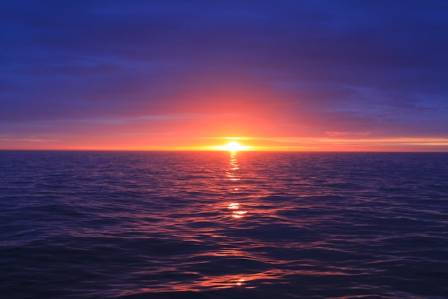
The Most Stunning Sunsets by the Sea
There’s something undeniably captivating about sunsets by the sea. The fusion of sky and water as the sun sinks below the horizon is a timeless spectacle. Every evening, the sky is painted with shades of pink, gold, and lavender, creating a moment that feels both calming and awe-inspiring. It’s a reminder that, despite the challenges we face throughout the day, the evening can still hold a moment of beauty and peace. Whether you're strolling along the shoreline or sitting on a beach, the view always seems to leave an imprint on your soul. These magical moments also serve as a reflection of life’s constant changes — much like the shifting colors in the sky, we experience both endings and beginnings. Below are some of the most remarkable places where sunsets by the sea stand out for their beauty, making these locations unforgettable.

7 Expert Tips for Cherry Picking in Tasmania (2025 Ultimate Guide)
Tasmania, Australia’s southernmost island, is a paradise for food lovers and nature enthusiasts alike—renowned for its unspoiled wilderness, crisp air, and gourmet produce. Among its summer treasures, cherry picking stands out as a beloved tradition, inviting visitors to wander sun-dappled orchards, pluck ripe, ruby-red cherries straight from the tree, and savor the sweet taste of seasonal abundance. From late November to late January, the Huon Valley, Coal River Valley, and Tamar Valley transform into cherry-filled wonderlands, where rows of fruit-laden trees stretch as far as the eye can see. This hands-on experience is more than just a chance to gather fruit; it’s a deep dive into Tasmania’s agricultural heritage, a way to support local farmers, and an opportunity to create lasting memories with family and friends. However, a successful cherry picking adventure requires more than just showing up—careful planning, knowledge of the season, and practical tips are key to making the most of your day. Below, we’ve compiled a comprehensive guide with seven essential tips to ensure your Tasmanian cherry picking experience is sweet, stress-free, and truly unforgettable.

Exploring the Enduring Allure of Vintage
There's a certain magic in encountering a vintage item that resonates with your past. Whether it's a childhood toy, a nostalgic poster, or a piece of vintage clothing or jewelry, these items have the power to awaken long-forgotten emotions and memories.
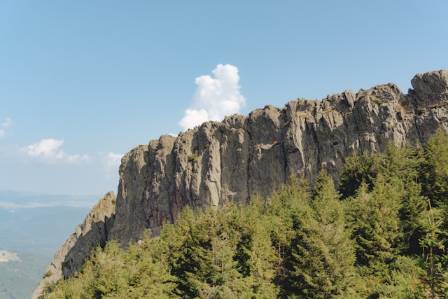
A New Strategy for Preserving the Blue Ridge Mountains
A pioneering conservation initiative in the Blue Ridge Mountains is demonstrating how science and community partnership can forge a powerful new model for protecting our natural landscapes.

शेर
सवाना में खड़ा, यह शेर गर्व से अपने राज्य का जायजा लेता है
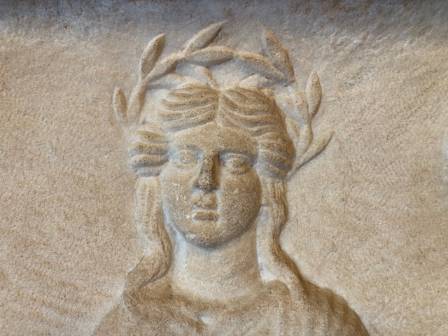
Crafting Plaster Relief Sculptures: A Beginner's Guide
Art is an accessible medium for everyone, regardless of prior experience or budget. While many artistic techniques require pricey tools or years of training, plaster relief sculpture is an approachable method where the strength of the concept outweighs technical complexity. Whether you are an individual artist exploring new textures or an educator seeking a reliable project for students, this process offers a high probability of success and a unique way to experiment with form.
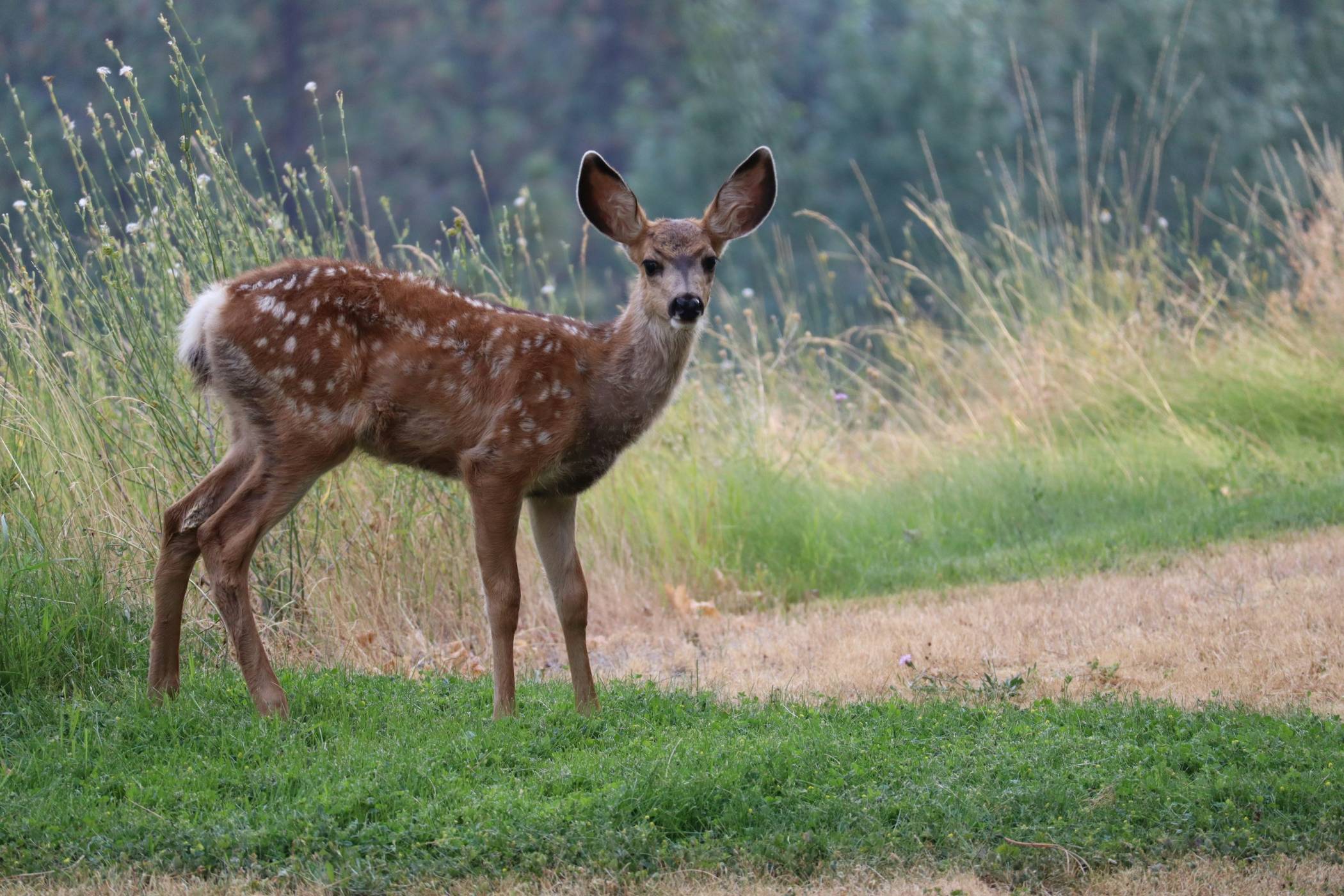
बच्चों के लिए हिरण के बारे में तथ्य
मुलायम फर, मुलायम आंखें, और धूप से भरे, शांत जंगल में सबसे कोमल उपस्थिति।