स्टोरी फोकस
Crafting Plaster Relief Sculptures: A Beginner's Guide
Art is an accessible medium for everyone, regardless of prior experience or budget. While many artistic techniques require pricey tools or years of training, plaster relief sculpture is an approachable method where the strength of the concept outweighs technical complexity. Whether you are an individual artist exploring new textures or an educator seeking a reliable project for students, this process offers a high probability of success and a unique way to experiment with form.
Alexander Kensington
रिपोर्टर
Art is an accessible medium for everyone, regardless of prior experience or budget. While many artistic techniques require pricey tools or years of training, plaster relief sculpture is an approachable method where the strength of the concept outweighs technical complexity. Whether you are an individual artist exploring new textures or an educator seeking a reliable project for students, this process offers a high probability of success and a unique way to experiment with form.
This specific method draws its roots from the "found object" traditions pioneered by figures like Pablo Picasso and Marcel Duchamp. It serves as a dual introduction to the worlds of relief sculpture—where designs project from a flat background—and the fundamentals of mold-making.
Essential Terminology for Relief Casting
To better understand the process, it is helpful to define a few core concepts used in three-dimensional art:
-
Relief Sculpture: A medium where the artwork remains attached to a flat backing, with shapes protruding forward. Much like a painting, these are generally intended to be viewed from a single front-facing perspective.
-
Mold: A hollowed-out form used to shape a liquid material. In this project, the mold is created by pressing items into clay to leave behind an impression.
-
Cast: The final physical object produced after a liquid material (such as plaster) is poured into a mold and allowed to solidify.
-
Found Object: Any item, whether manufactured or natural, that an artist selects and incorporates into their work because of its interesting shape or texture.
Required Materials and Preparation
The following items are recommended to complete your sculpture:
-
Cardboard or foam core (standard 12"x12" pieces work well)
-
Earthenware clay
-
Plaster of Paris
-
Mixing containers and water
-
Cutting tools (scissors or a utility knife) and adhesive tape
-
A selection of found objects
-
Optional: A straw for creating a hanging hole, acrylic paints for finishing, and a file for smoothing edges
Before beginning the physical work, take time to plan your design. You might choose a specific theme, such as identity or nature, by selecting objects that tell a cohesive story. Alternatively, you can focus on artistic principles like unity by using similar shapes, or rhythm by repeating specific items across the surface.
Constructing the Mold Housing
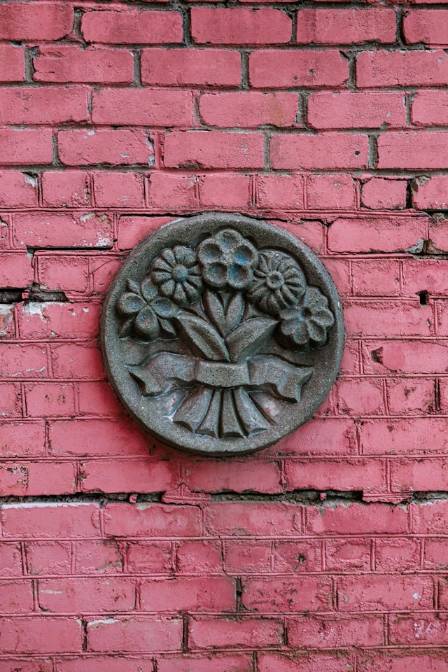
The first step is to build a container to hold the clay and plaster. Determine your desired dimensions and cut a piece of cardboard that allows for at least three-inch-high walls. For a 6"x6" sculpture, you would start with a 12"x12" piece of cardboard.
Mark lines three inches from every edge, cut the corner segments, and fold the sides upward to form a box. Secure the corners firmly with tape, ensuring the structure is stable enough to hold the weight of the wet plaster without leaking or collapsing.
Creating the Impression
Once the box is ready, fill the bottom half with about 1.5 inches of earthenware clay. Press the clay down firmly and smooth the surface with your fingers or a flat tool to ensure a level starting point.
If you intend to hang the finished piece, press a straw into the clay near the top edge, ensuring it stands taller than the box walls. Next, press your selected found objects into the clay. Experiment with different depths and angles to create a dynamic surface. You can leave wide spaces between impressions for a minimalist look or overlap objects to create a dense, complex texture.
Pouring and Setting the Plaster
To prepare the casting material, mix two parts plaster with one part water. Always add the plaster to the water to minimize clumping, and stir until the mixture is smooth. Work quickly, as plaster begins to thicken shortly after mixing.
Start pouring the plaster into one corner of your mold, allowing the liquid to flow naturally into the impressions to avoid trapping air bubbles. Fill the box until the plaster is roughly 1.5 inches thick. While plaster sets relatively quickly, it is best to let the mold sit for a full day. This ensures the cast is durable enough to retain fine details when the clay is eventually peeled away.
Final Extraction and Finishing Touches
After 24 hours, disassemble the cardboard box and carefully peel the clay away from the hardened plaster. The clay should separate easily, revealing the raised forms of your objects. Use a small pointed tool to remove any clay residue stuck in deep crevices and a file to smooth out the edges of the plaster block.
You can choose to leave the sculpture in its natural white state for a clean, classical look. However, applying paint can emphasize the textures you’ve created. One effective method is the "metallic look": paint the entire surface black, then use a "dry brush" technique to lightly sweep metallic paint over the raised areas. This leaves the black paint in the recessed sections, creating high contrast and making the relief details pop. Once the paint is dry, your sculpture is ready for display.
और पढ़ें
Indulge in Sweet Getaways: A Culinary Voyage Across the Universe of Desserts
Greetings, dear readers! Welcome to "Sweet Getaways," a thrilling expedition that will sweep you away on a mouthwatering adventure through the enchanting realm of desserts. In a world where time rarely takes a pause, there's something undeniably captivating about the simple, unadulterated sweetness of a finely crafted dessert. Join us as we embark on a mission to explore the aesthetics, histories, and fables that surround these delectable works of art.

How to Make a High-Street Suit Look Worth a Million Dollars
Being stylish and well-dressed doesn’t have to leave you broke. A bespoke suit might be unparalleled in quality, but living beyond your means is never a good look. Let’s face it: most of us can’t afford regular trips to Savile Row, and high-street tailoring is as far as our budgets stretch. But “off-the-rack” doesn’t have to equal baggy, clunky, or shiny suits—with the right tricks, you can pull together an outfit that’s easy on the wallet and even easier on the eye.
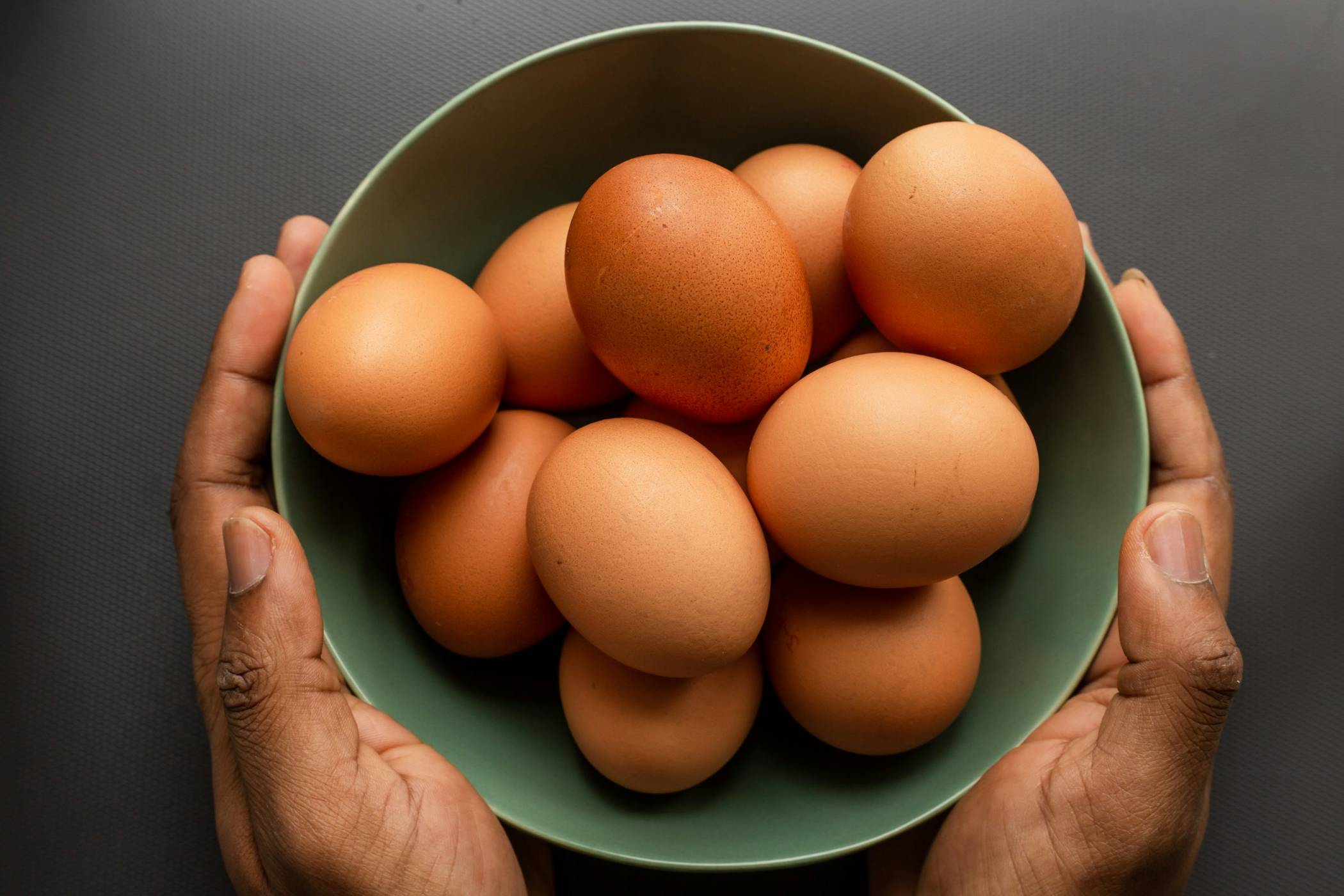
अंडे के 9 फ़ायदे
अंडे में कई महत्वपूर्ण पोषक तत्व होते हैं, जिनमें से कुछ, जैसे कोलीन, आधुनिक आहार में दुर्लभ हैं। अंडे प्रोटीन, वसा और महत्वपूर्ण विटामिन प्रदान करते हैं, जबकि कैलोरी में अपेक्षाकृत कम होते हैं। समग्र पोषक तत्व युक्त खाने की योजना के हिस्से के रूप में अंडे खाने से आपके हृदय प्रणाली और आँखों सहित आपके समग्र स्वास्थ्य का समर्थन हो सकता है। अंडे खाने के स्वास्थ्य लाभों को जानने के लिए पढ़ते रहें।
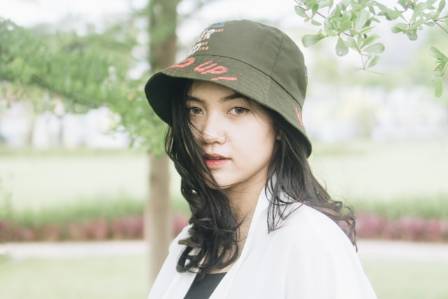
8 Stylish Ways to Wear a Bucket Hat
Bucket hats have made a big comeback and are now seen as both retro and modern accessories. Whether you want to add a subtle touch to your outfit or make a bold statement, these versatile hats can instantly elevate your style. Here are eight creative ways to wear them with confidence.
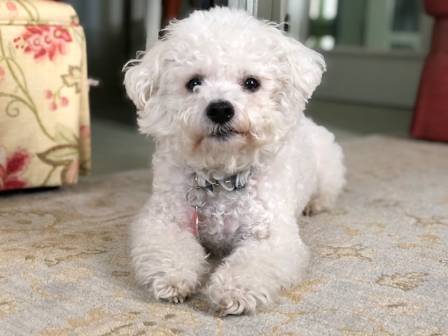
Understanding Bichon Frise Traits and How to Care for Them
The Bichon Frise is a small non-sporting dog breed with long, curly white fur that makes its dark eyes and nose stand out prominently. Many people describe Bichons as fluffy as cotton balls, often comparing them to “living stuffed animals.” These dogs are energetic and people-focused, disliking being left alone for extended periods. One of their favorite places to be is usually curled up in their owner’s lap, enjoying close companionship.
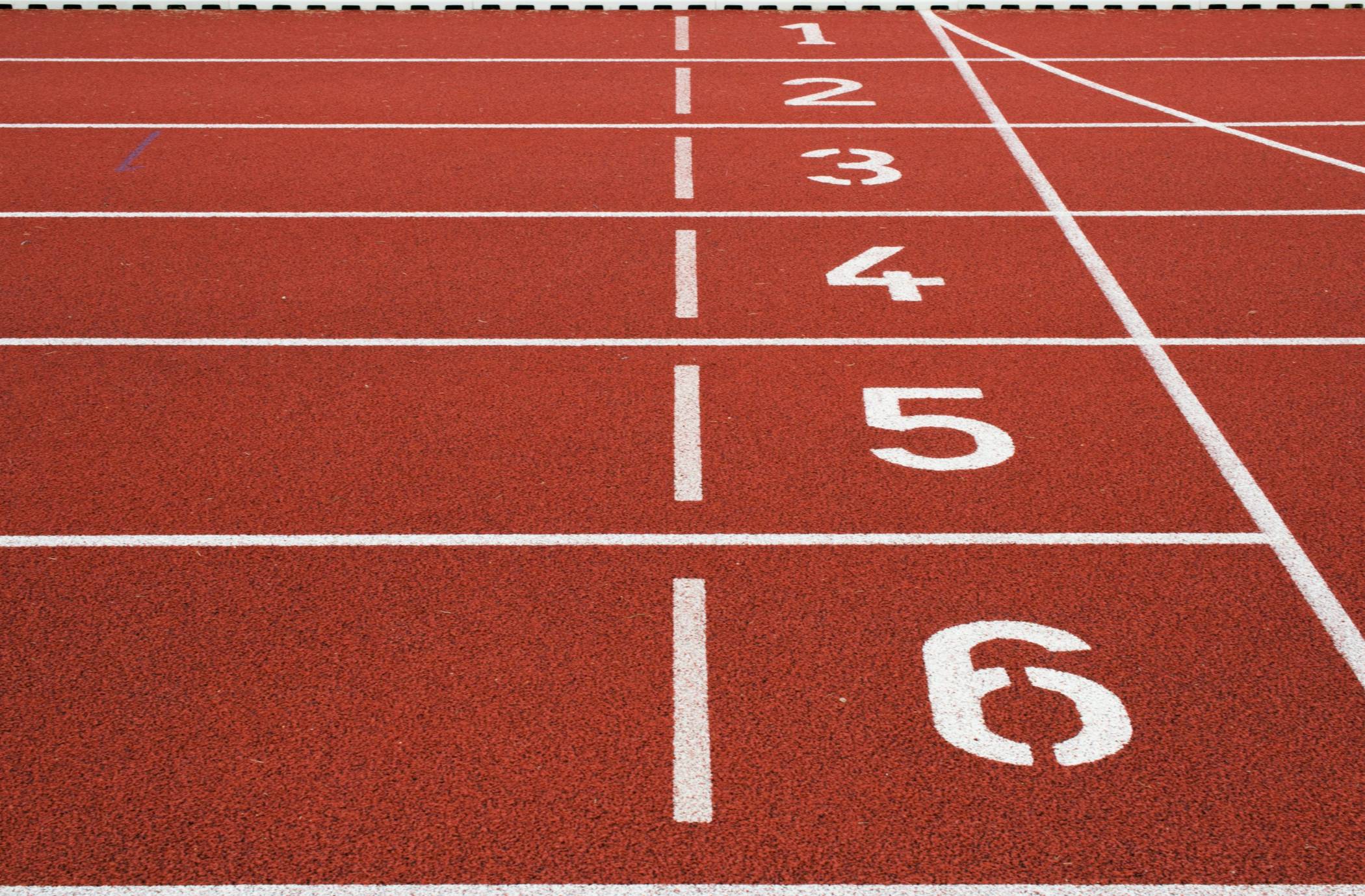
दुनिया के सबसे प्रेरणादायक दौड़ने वाले ट्रैक
इस दृढ़ मिट्टी के आयताकार ट्रैक ने वर्षों में मानव जाति की कुछ महानतम विजय का साक्षी बन चुका है। दौड़ने का ट्रैक 776 ईसा पूर्व और पहले प्राचीन ओलंपिक खेलों तक का पता लगाया जा सकता है, हालांकि उस पहले प्रतियोगिता में धावक जिस 210-यार्ड की मिट्टी के ट्रैक पर दौड़े थे, वह आज के मानकीकरण 400-मीटर ट्रैकों से बहुत अलग था।

सुपरकंप्यूटर सिमुलेशन संकेत देते हैं कि 100 अभी तक अनखोजी आकाशगंगाएँ मिल्की वे के चारों ओर परिक्रमा कर रही हो सकती हैं।
वैज्ञानिकों का कहना है कि मिल्की वे के चारों ओर दर्जनों अभी तक अनदेखी सैटेलाइट आकाशगंगाएँ हो सकती हैं।

परफेक्ट नुस्खा: बिल्ली पालने के स्वास्थ्य लाभ
अगर आपको बिल्ली पालना पसंद है, तो आप उस शांत शांति से परिचित होंगे जो आपको घेर लेती है जब आपकी बिल्ली आपकी गोद में गुर्राती है। आश्चर्यजनक रूप से, हमें अपने बिल्ली के समान मित्रों से मिलने वाले लाभ केवल स्नेह से कहीं अधिक हैं। बिल्ली पालने से स्वास्थ्य संबंधी ठोस लाभ मिलते हैं जो संगति से कहीं आगे तक फैले हुए हैं। तनाव कम करने से लेकर एलर्जी प्रबंधन तक, इन स्वतंत्र प्राणियों में हमारी सेहत को बेहतर बनाने की उल्लेखनीय क्षमता होती है।
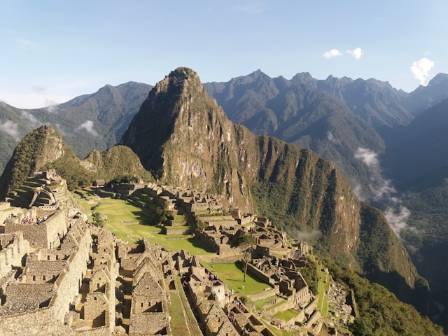
Machu Picchu’s Hidden Truths: A Journey Beyond the Surface
When Hiram Bingham III arrived at the remote mountaintop settlement in 1911, he thought he had uncovered Vilcabamba—the last refuge of the Incas during the Spanish conquest. For decades, Bingham insisted he had found the legendary Lost City. However, later discoveries revealed that the true Vilcabamba lay deep in the jungle, about 50 miles away. Interestingly, Machu Picchu was never truly lost—local farmers were already living on the site when Bingham arrived.
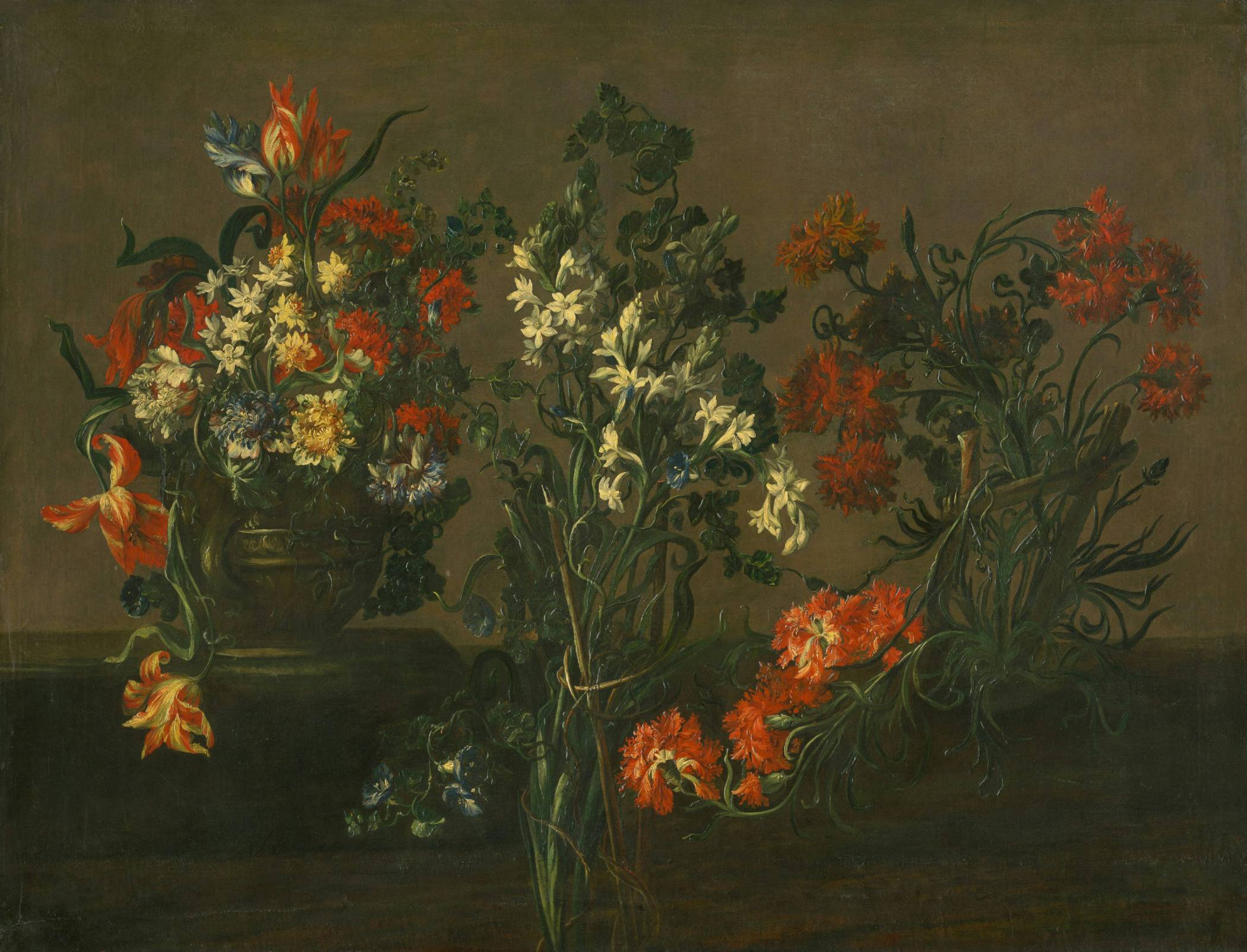
8 सबसे प्रसिद्ध फूल कलाकृतियाँ
फूलों के पराग के लिए मधुमक्खियों की तरह, मनुष्य भी वनस्पति कला के रूप में मौजूद आकर्षक मीठे दृश्य अमृत की ओर आकर्षित हुए हैं। मनुष्यों को आकर्षित करने में फूलों की वस्तुनिष्ठ सुंदरता निस्संदेह फूल के सामंजस्यपूर्ण रंगों, कोमल वक्रों और सममित रूपों से उत्पन्न होती है। डच स्वर्ण युग के चित्रण से लेकर आधुनिक समय की पुष्प मूर्तिकला तक, यहाँ हमने 8 सबसे प्रसिद्ध फूल कलाकृतियों का चयन किया है, जिनके बारे में हमें लगता है कि आपको जानना चाहिए। प्रसिद्ध फूलों की पेंटिंग का यह संग्रह पश्चिमी कला की वनस्पति संबंधी विशेषताओं को प्रस्तुत करता है, जिसमें ऐसे कलाकार शामिल हैं जिन्होंने फूलों को विषय और सामग्री दोनों के रूप में उपयोग किया है।