स्टोरी फोकस
Understanding Bichon Frise Traits and How to Care for Them
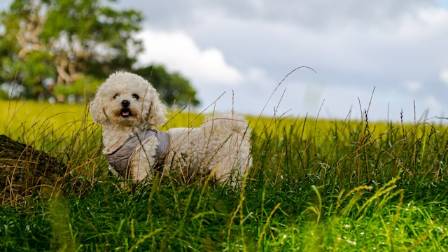
The Bichon Frise is a small non-sporting dog breed with long, curly white fur that makes its dark eyes and nose stand out prominently. Many people describe Bichons as fluffy as cotton balls, often comparing them to “living stuffed animals.” These dogs are energetic and people-focused, disliking being left alone for extended periods. One of their favorite places to be is usually curled up in their owner’s lap, enjoying close companionship.
Daniel Ross
रिपोर्टर

The Bichon Frise is a small non-sporting dog breed with long, curly white fur that makes its dark eyes and nose stand out prominently. Many people describe Bichons as fluffy as cotton balls, often comparing them to “living stuffed animals.” These dogs are energetic and people-focused, disliking being left alone for extended periods. One of their favorite places to be is usually curled up in their owner’s lap, enjoying close companionship.
Characteristics of the Bichon Frise
Bichon Frises typically have a playful and loving personality, and they have a strong affection for people. They also have a gentle temperament that works well with children and other pets in the household. When it comes to training, they respond fairly positively and usually don’t bark excessively, making them well-suited for various living situations.
History of the Bichon Frise
The earliest records of Bichon-like dogs date back to the 13th century in the Canary Islands. Sailors took these dogs on their ships and used them in trade, which helped spread the breed’s popularity across Europe. Aristocrats, in particular, were drawn to these fluffy little canines and treated them as spoiled lapdogs, showering them with attention and care.
During the French Revolution, many Bichons lost their aristocratic owners. Fortunately, street performers noticed these dogs and took some in, training them to do tricks to earn money. Over time, the breed became a common sight at circuses and fairs, entertaining crowds with their skills.
The Bichon Frise faced another tough period during the World Wars, but dedicated people in France and Belgium worked hard to preserve the breed and establish its official standards. The American Kennel Club (AKC) first recognized the Bichon Frise as a breed in 1972, solidifying its place in the U.S. dog community.
Bichon Frise Care
Bichon Frises don’t require an excessive amount of physical activity, but they shouldn’t be left to laze around as couch potatoes either. They also need proper training and socialization to grow into well-mannered dogs, and their grooming needs are somewhat detailed.
Exercise
Bichons often have short bursts of high energy, followed by periods of rest. They should get at least one hour of exercise each day through activities like walks around the neighborhood or play sessions in the yard. Having a fenced area where they can run freely is ideal, as it lets them burn off energy safely. Many Bichons also enjoy participating in dog sports, which challenge both their bodies and their minds, keeping them mentally stimulated.
Grooming
The Bichon Frise has a soft, curly coat that grows continuously and sheds very little. Because of this coat type, regular grooming is absolutely essential—without it, their cute fur can quickly become matted and tangled, leading to discomfort.
Bichon Frises should be brushed at least two to three times a week to keep their coat smooth and free of tangles. They also need haircuts every four to six weeks to maintain a neat appearance. It’s important to trim the hair around their eyes regularly to ensure they have a clear line of sight
Baths are needed roughly once a month, depending on how dirty the dog gets. Their white fur shows dirt easily, and they are prone to developing tear stains around their eyes, which may require extra cleaning. Check their nails about once a month to see if they need trimming—long nails can cause discomfort or even injury. Additionally, look inside their ears weekly for wax buildup, dirt, or other signs of trouble. Finally, aim to brush their teeth every day to help prevent dental issues like gum disease.

Training
Proper training and socialization are key to keeping a Bichon Frise happy and well-adjusted. Don’t make the mistake of skipping training just because the breed is small and generally friendly—bad habits can quickly develop if training is neglected.
Bichon Frises tend to learn quickly, though housebreaking may take a bit more time and effort. They respond best to positive training methods, such as using treats and praise; harsh corrections can cause them to become unresponsive and stop learning.
Socializing your Bichon with different people, other animals, and in various environments will help boost their comfort level and confidence. Bichons are naturally adaptable dogs and often friendly with strangers, but reinforcing this trait through positive experiences will make them even more well-rounded.
If you have to be away from home for long periods most days, a Bichon Frise may develop separation anxiety, which can lead to destructive behaviors like chewing or scratching. Having another dog as a companion might help ease their loneliness. Crate training can also be useful in curbing destructive behavior when you’re not around, as it gives the dog a safe, secure space to stay.
Common Health Problems
While the Bichon Frise is generally a healthy breed, it is still prone to some hereditary health issues, including:
Allergies: Bichons can be allergic to a range of things, such as environmental allergens (like pollen or dust mites) and food allergens. If your dog shows symptoms like itchy skin or digestive problems, work with your veterinarian to identify the cause and reduce their exposure to the allergen.
Dental disease: Many Bichons develop dental issues that affect the health of their teeth and gums. Regularly check your dog’s mouth, and have your vet examine it during checkups to look for signs of problems like gum disease or cracked teeth.
Luxating patella: This is a common issue in small dogs, where the kneecap slips out of its normal groove. Symptoms include limping and the dog licking its knee excessively.
Bladder infections: Also known as urinary tract infections (UTIs), these can cause symptoms like frequent urination, difficulty urinating, and blood in the urine. In most cases, antibiotics will be needed to treat the infection.
Cataracts and other eye problems: Bichon Frises may develop eye issues such as cataracts (clouding of the eye’s lens), glaucoma (increased pressure inside the eye), dry eye, and more. Regular eye checks with a vet can help catch these problems early.
Hip dysplasia: This condition occurs when the hip joint doesn’t develop properly, leading to pain, limping, an unusual gait, and difficulty jumping or getting up from a lying position.
Diet and Nutrition
Always make sure your Bichon Frise has access to fresh water. Provide them with a high-quality, nutritionally balanced dog food that meets their specific needs. Feeding two measured meals per day is typical, but it’s a good idea to discuss the exact quantity and type of food with your veterinarian to ensure you’re meeting your dog’s individual requirements.
Even though Bichons are often good at convincing their owners to give them extra treats, be careful with additional food—overeating can lead to weight gain, and even a single pound of extra weight can be significant for a small dog like the Bichon Frise.
Where to Adopt or Buy a Bichon Frise
Since Bichon Frises are quite popular, it’s worth checking local animal shelters for dogs in need of a home. You can also look for breed-specific rescue groups in your area, as these organizations often have Bichons available for adoption.
If you’re looking to buy a puppy from a reputable breeder, expect to pay an average of $700 to $2,500, though this price can vary widely depending on factors like the breeder’s reputation, the puppy’s lineage, and location.
For more information to help you find a Bichon Frise, consider checking out the following resources:
Bichon Frise Club of America
Bichon Frise Rescue
American Kennel Club Marketplace
Bichon Frise Overview
If you’re looking for a small dog, the Bichon Frise is an excellent choice. These dogs are affectionate and playful, and they are hypoallergenic, making them a good option for people with allergies. However, they have high grooming needs and require proper training and socialization to thrive.
Pros of Bichon Frises
Generally very sweet and friendly, making them great companions
Often get along well with children, making them suitable for family homes
Can adapt to living in small spaces, such as apartments
Cons of Bichon Frises
Requires more than just basic grooming to keep their coat in good condition
Prone to separation anxiety, which can lead to behavioral issues
More likely to develop allergies and dental disease compared to some other breeds
Conclusion
The Bichon Frise is a charming, people-focused breed that brings joy to many households with its playful personality and fluffy appearance. While it has some specific needs like regular grooming and consistent training, these efforts are well worth it for the companionship and affection the breed offers. Whether you adopt from a shelter or buy from a reputable breeder, providing a Bichon Frise with proper care, love, and attention will result in a loyal, happy pet. By understanding its traits, history, and care requirements, you can ensure a fulfilling life for both you and your Bichon Frise.
और पढ़ें

Machu Picchu’s Hidden Truths: A Journey Beyond the Surface
When Hiram Bingham III arrived at the remote mountaintop settlement in 1911, he thought he had uncovered Vilcabamba—the last refuge of the Incas during the Spanish conquest. For decades, Bingham insisted he had found the legendary Lost City. However, later discoveries revealed that the true Vilcabamba lay deep in the jungle, about 50 miles away. Interestingly, Machu Picchu was never truly lost—local farmers were already living on the site when Bingham arrived.
Nine Remarkable Realities of Butterflies
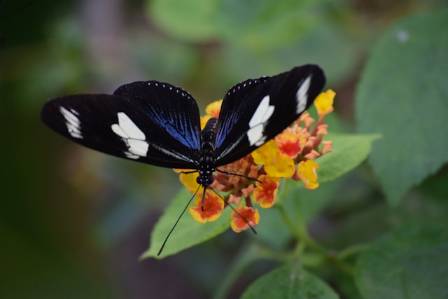
The history of butterflies stretches back much further than many realize. While the relationship between butterflies and flowers is legendary, fossil evidence suggests that butterflies preceded flowering plants, appearing approximately 200 million years ago. These resilient and visually stunning insects have spent millions of years evolving complex behaviors and biological traits that continue to surprise researchers.

दुनिया के 5 सबसे प्रतिष्ठित स्पोर्ट्स स्टेडियम
खेल स्टेडियम हमेशा से ही केवल मैच खेलने की जगह से कहीं अधिक रहे हैं – ये वो पावन मैदान हैं जहाँ अविस्मरणीय पल जन्म लेते हैं, किंवदंतियाँ बनती हैं और समुदाय एकजुट होकर जश्न मनाते हैं।

18th-Century Pastoral Scene
An impressive oil-on-canvas painting from the latter half of the 18th century, this work presents a beautiful Italian landscape in the Arcadian tradition.

जब समुद्र किनारे से मिलता है: दुनिया भर की 7 शानदार समुद्री चट्टानें
हर चट्टान पर समुद्र का निशान है, जो सदियों के उतार-चढ़ाव से बनी है

सिएटल में टॉप 7 पब्लिक बास्केटबॉल कोर्ट
खिलाड़ी कोर्ट पर ड्रिबल, पास और शूट करते हैं, हर मूव के साथ स्नीकर्स की आवाज़ आती है

Guide to Creating a Realistic Rabbit Portrait with Graphite Pencils
Rabbits are captivating subjects for artists due to their gentle nature, large expressive eyes, and soft, tactile fur. While many beginners feel intimidated by the prospect of rendering realistic animal textures, the process is quite manageable when approached systematically. This guide will walk you through a professional layering strategy that can be applied to almost any furry subject.

हैमबर्गर के आश्चर्यजनक स्वास्थ्य लाभ
हैम्बर्गर को अक्सर चिकना, अस्वास्थ्यकर फास्ट फूड माना जाता है। हालाँकि, सच्चाई यह है कि हैम्बर्गर वास्तव में कई स्वास्थ्य लाभ ला सकते हैं। यह पौष्टिक एंट्री विभिन्न प्रकार के विटामिन और खनिज, प्रोटीन, स्वस्थ वसा और जटिल कार्बोहाइड्रेट प्रदान करती है - ये सभी चीजें आपके शरीर को दैनिक कार्य और इष्टतम स्वास्थ्य के लिए चाहिए!

Unveiling the Real Impact of Spoilers on Everyday Cars
Initially, spoilers found their home on racing cars, sports cars, and supercars. Nowadays, they've become a ubiquitous sight on everyday vehicles. Slapping a spoiler on a car has evolved into one of the most famous and controversial modifications in the automotive world. Once an exclusive feature of high-performance vehicles, spoilers have made their way to everyday cars, often more for visual appeal than functionality. Sedans and hatchbacks, not just speed demons, proudly sport spoilers. But what purpose do these spoilers truly serve? Are they a mere cosmetic fad inspired by Hollywood blockbusters, or do they genuinely influence a car's performance and aerodynamics? Unfortunately, the reality is that spoilers do little to enhance the handling and aerodynamics of standard, run-of-the-mill cars.

इस गर्मी में समुद्र तट पर खेलने के लिए 3 खेल
लहरें किनारे से हल्की लय में मिलती हैं, और किनारे को मुलायम घुमाव देती हैं