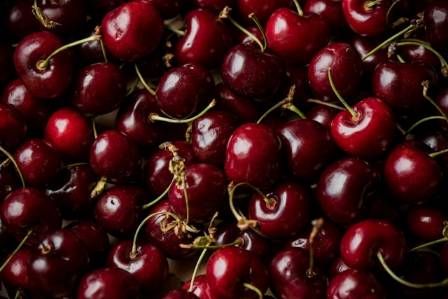
Tasmania, Australia’s southernmost island, is a paradise for food lovers and nature enthusiasts alike—renowned for its unspoiled wilderness, crisp air, and gourmet produce. Among its summer treasures, cherry picking stands out as a beloved tradition, inviting visitors to wander sun-dappled orchards, pluck ripe, ruby-red cherries straight from the tree, and savor the sweet taste of seasonal abundance. From late November to late January, the Huon Valley, Coal River Valley, and Tamar Valley transform into cherry-filled wonderlands, where rows of fruit-laden trees stretch as far as the eye can see. This hands-on experience is more than just a chance to gather fruit; it’s a deep dive into Tasmania’s agricultural heritage, a way to support local farmers, and an opportunity to create lasting memories with family and friends. However, a successful cherry picking adventure requires more than just showing up—careful planning, knowledge of the season, and practical tips are key to making the most of your day. Below, we’ve compiled a comprehensive guide with seven essential tips to ensure your Tasmanian cherry picking experience is sweet, stress-free, and truly unforgettable.
1.Time Your Visit for Peak Season Perfection
Timing is the foundation of a successful cherry picking trip in Tasmania, as the season is brief and highly weather-dependent. Typically spanning from late November to late January, the cherry harvest is a fleeting window of summer joy, with the peak period falling in mid-December to early January. This is when most popular varieties—including the sweet, dark-red Lapin, the firm and juicy Sweetheart, and the early-ripening Early Richmond—are at their most flavorful, with trees heavy with ripe fruit. The exact start and end dates of the season vary each year, influenced by spring weather: a warm, sunny spring accelerates ripening, while cool, rainy conditions can delay the harvest by a couple of weeks. To avoid disappointment, it’s crucial to stay updated in the weeks leading up to your trip. Check the websites and social media pages of your chosen orchards for real-time updates on fruit availability, or give them a call 1-2 days before your visit to confirm they’re open. For the best experience, aim to arrive early in the day—not only will you beat the midday sun and crowds, but you’ll also get first pick of the freshest, most untouched cherries. Additionally, keep an eye on the weather forecast: heavy rain can make orchards muddy and lead to temporary closures, so plan your outing on a dry, mild day for optimal comfort.
2.Research and Select the Right Orchard for Your Needs
Tasmania’s cherry-growing regions are home to a diverse range of orchards, from large commercial farms to small, family-run operations, each offering a unique experience. The Huon Valley (a 45-minute drive from Hobart) and Coal River Valley (30 minutes from Hobart) are the most popular destinations, known for their fertile soil and ideal climate for cherries. When choosing an orchard, consider your priorities: Are you traveling with young children and need amenities like cafes, playgrounds, or picnic areas? Westerway Raspberry Farm, though famous for raspberries, also grows delicious cherries and offers a family-friendly atmosphere with a café serving homemade treats. Are you a food enthusiast seeking rare or organic varieties? Brandy Creek Estate, located in the Huon Valley, specializes in organic cherries and offers a rustic, authentic picking experience. For those near Launceston, Spreyton Fresh in the Tamar Valley is a top choice, with a wide range of cherry varieties and a farm shop selling local produce like jams and honey. It’s also important to compare pricing and entry policies: some orchards charge a small entry fee plus a per-kilogram rate for picked cherries (typically $8-$15/kg), while others offer an all-you-can-eat flat fee ($20-$30 per person) with the option to purchase additional cherries to take home. Reading recent reviews on Google Maps and TripAdvisor is invaluable, as they provide insights into current fruit quality, crowd levels, and overall visitor experience. Don’t hesitate to call ahead and ask about the varieties available—if you have a favorite type of cherry, confirming its ripeness ensures you’ll get exactly what you’re looking for.
3.Master Proper Picking Techniques to Preserve Fruit and Trees
Picking cherries correctly is not only essential for bringing home high-quality fruit but also for protecting the trees and ensuring future harvests. The key to gentle, effective picking is to handle the fruit and branches with care. First, learn to identify ripe cherries: look for deep, uniform color (red or dark crimson, depending on the variety), a glossy sheen, and a firm but slightly yielding texture when gently squeezed. Avoid cherries that are soft, mushy, split, or have bird pecks or brown spots—these are either overripe or damaged. The sweetest cherries are often found on the sunniest sides of the tree, including higher branches, so don’t be afraid to use the small ladders provided by most orchards (always use them safely, with a friend spotting you if possible). When picking, grasp the cherry by its stem between your thumb and forefinger, then gently twist and pull—this ensures the stem stays attached, which helps the cherry stay fresh longer. Never pull the fruit directly from the branch or shake the tree, as this can damage the branches and knock off unripe cherries. Avoid overfilling your picking bucket or punnet, as the weight of the fruit can crush the cherries at the bottom. Instead, empty your container regularly or use multiple small containers. Once picked, keep your cherries cool by storing them in a shady spot while you continue picking, and transfer them to a cooler bag with an ice pack for the trip home—heat accelerates spoilage, so maintaining a cool temperature is crucial for preserving freshness.
4.Plan Logistics in Advance for a Smooth Trip

A seamless cherry picking experience requires careful logistical planning, especially during peak season (December). Start by securing accommodation early: December is a busy time in Tasmania, with tourists flocking for summer holidays, so book your stay near the cherry-growing regions (Huon Valley, Coal River Valley, or Tamar Valley) well in advance to avoid last-minute disappointments. Many orchards, especially popular ones, require advance bookings—some even have timed slots to manage crowd levels—so reserve your picking session as soon as you confirm your travel dates. This is particularly important for group bookings (10 or more people), which may need to be arranged weeks in advance. Before you set off, double-check key details: Do the orchards provide picking containers, or should you bring your own? What payment methods are accepted (cash, card, or mobile payments)? Are there on-site facilities like toilets, cafes, or picnic areas? It’s also wise to have backup plans: if your first-choice orchard is closed due to weather or has run out of ripe cherries, having a second or third option nearby ensures your day won’t be ruined. Consider transportation: most orchards are not accessible by public transport, so renting a car is the best way to get around. Plan your route in advance, and allow extra time for scenic detours—Tasmania’s countryside is breathtaking, and stopping to take photos or explore small towns adds to the adventure. If you’re visiting from Hobart, the Huon Valley is a 45-minute drive, while the Coal River Valley is just 30 minutes away, making them perfect for day trips.
5.Dress Appropriately and Pack Essential Items
Tasmanian summer weather can be unpredictable—sunny one moment, cool and breezy the next—so dressing in layers and packing the right items is key to comfort. Start with clothing: cherry juice stains easily, so wear older clothes you don’t mind getting messy. Opt for light, breathable fabrics like cotton or linen to stay cool in the sun, and bring a long-sleeved shirt or light jacket for cooler mornings or unexpected breezes. Footwear is crucial: orchards have uneven, grassy, or muddy terrain, so closed-toe shoes like sneakers, walking boots, or gumboots are a must—avoid sandals or thongs, as they offer no protection from sharp branches or wet ground. Pack sun protection essentials: the Tasmanian sun is strong, even on cloudy days, so a wide-brimmed hat, sunglasses, and high-SPF (50+) sunscreen are non-negotiable. Don’t forget sunscreen for your neck, ears, and hands—areas often overlooked but prone to sunburn. Stay hydrated by bringing plenty of water for everyone in your group, especially if you’re traveling with children. Packing snacks like granola bars, fruit, or sandwiches is also a good idea, as some orchards may not have cafes or may have long wait times. Other useful items include wet wipes (for cleaning hands and wiping cherry juice), a small first-aid kit (for minor cuts or insect bites), and a picnic blanket if you plan to enjoy your cherries on-site. If you’re planning to pick a large quantity, bring a cooler or esky with ice packs to keep your cherries fresh during the trip home.
6.Understand Pricing Models to Maximize Value
To get the most bang for your buck, it’s important to understand the different pricing models used by Tasmanian orchards. The two most common structures are pay-per-kilogram and flat-rate entry. Pay-per-kilogram is ideal for individuals, couples, or small families who only want a small amount of cherries (1-2kg) to enjoy fresh. Under this model, some orchards charge a small entry fee ($5-$10 per person) or no entry fee at all, and you pay only for the fruit you pick (typically $8-$15/kg). Flat-rate entry ($20-$30 per person) is perfect for cherry lovers, families, or groups who want to eat their fill while picking—most orchards allow unlimited eating in the orchard with this fee, and you can purchase additional cherries to take home at a discounted rate. Some orchards also offer group discounts (10%-$15% off for groups of 10 or more) or membership benefits for local residents. When comparing prices, consider the overall experience: a slightly higher price may include a more scenic location, better amenities, or rarer cherry varieties, so value isn’t just about the cost per kilogram—it’s about the quality of your day. Be realistic about how many cherries you’ll need: 1kg of cherries is roughly 2-3 cups, enough for a family of 4 to enjoy fresh over a few days. If you plan to freeze or preserve cherries, aim for 3-5kg. Always clarify all costs upfront—some orchards have hidden fees, like extra charges for ladders or picking containers, so asking questions avoids surprises. Supporting local orchards not only gives you fresh, delicious cherries but also contributes to Tasmania’s agricultural community, so choosing a farm that aligns with your values (organic, family-run, sustainable) adds meaning to your experience.
7.Preserve and Store Your Cherries to Extend Freshness
Bringing home a bounty of fresh cherries is exciting, but proper storage and preservation are key to enjoying their sweet flavor for weeks or even months. Fresh cherries are delicate and perishable, so handle them with care from the moment you pick them. First, cool them down immediately: don’t leave cherries in a hot car or on the kitchen counter—transfer them to the refrigerator as soon as you get home. Store them in a breathable container (like a paper bag or a plastic container with holes) to prevent moisture buildup, which causes mold. Avoid washing cherries until you’re ready to eat them, as water accelerates spoilage. Fresh cherries will last 7-14 days in the refrigerator if stored correctly. If you have more cherries than you can eat fresh, freezing is a simple and effective preservation method: wash the cherries, remove stems and pits (optional), pat them dry with a paper towel, and spread them in a single layer on a baking tray. Freeze for 2-3 hours until solid, then transfer to a sealed plastic bag or container. Frozen cherries will last 6-12 months and are perfect for smoothies, pies, crumbles, or snacking straight from the freezer. For a longer-lasting treat, try making cherry jam or chutney: combine cherries with sugar, lemon juice, and spices (like cinnamon or cloves) and simmer until thickened. Canned jam will last up to 1 year in a cool, dark pantry. You can also dehydrate cherries in a food dehydrator or low-temperature oven for a sweet, chewy snack that’s perfect for hiking or lunchboxes. Finally, share the bounty: if you’ve picked more cherries than you can use, give some to friends, family, or neighbors—spreading the joy of Tasmanian cherries is part of the fun.
Final Thoughts: Embrace the Sweetness of Tasmanian Cherry Picking
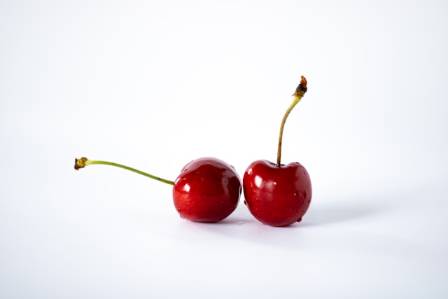
Cherry picking in Tasmania is more than just a summer activity—it’s a celebration of nature’s bounty, local culture, and simple pleasures. By following these seven tips, you’ll be well-prepared to navigate the season, choose the perfect orchard, pick cherries like a pro, and preserve your harvest to savor long after the season ends. Whether you’re a local looking for a fun family day out or a traveler seeking an authentic taste of Tasmania, cherry picking offers a unique opportunity to connect with the land, support local farmers, and create memories that will last a lifetime. From the moment you step into the orchard, surrounded by rows of fruit-laden trees and the scent of ripe cherries in the air, to the first bite of a sweet, juicy cherry picked straight from the branch, this experience captures the essence of Tasmanian summer. So pack your cooler, grab your hat, and get ready to embrace the sweetness—your perfect cherry picking adventure awaits in the heart of Australia’s southern paradise.