होमपेज पर लौटें

स्टोरी फोकस

Mastering Nocturnal Scenes: An Analysis of Twelve Famous Night Paintings

The subject of night presents a unique and evocative challenge for painters. It pushes artists to move beyond literal representation to capture mood, atmosphere, and the nuanced interplay of light within darkness. The following collection examines twelve significant artworks that successfully depict the nocturnal world, revealing the artistic techniques that bring these scenes to life.

D

Daniel Scott

रिपोर्टर

Mastering Nocturnal Scenes: An Analysis of Twelve Famous Night Paintings
The subject of night presents a unique and evocative challenge for painters. It pushes artists to move beyond literal representation to capture mood, atmosphere, and the nuanced interplay of light within darkness. The following collection examines twelve significant artworks that successfully depict the nocturnal world, revealing the artistic techniques that bring these scenes to life.

Aert van der Neer – Moonlit Landscape With Bridge (c. 1640)

This 17th-century Dutch masterpiece is a profound study in tonal contrast. Van der Neer employed stark chiaroscuro, juxtaposing brilliant moonlight against deep, velvety shadows. The lunar glow gently defines the forms of the bridge, trees, and distant buildings, while its shimmering reflection in the water acts as a central focal point, masterfully framed by the bridge's arch. The scene, punctuated by small figures on a path, evokes a serene and contemplative stillness.

Aert van der Neer – Night Landscape With a River (c. 1700)

In another exemplary work, van der Neer introduced a richer, more varied palette within the nocturnal theme. He utilized cool blues and warm, tinted yellows to create a dynamic and dramatic sky. The composition is busier, featuring clusters of trees, reflective water, and a group of cows, yet the artist's careful control of light continues to direct the viewer's gaze seamlessly through the complex scene.

Vincent van Gogh – Starry Night Over the Rhône (1888)

Van Gogh’s interpretation of night transcends observation, channeling raw emotion onto the canvas. Replacing conventional blacks and grays, he constructed the scene from a vibrant tapestry of blues and yellows. The energetic, rhythmic brushstrokes in the sky and the stylized reflections of gaslights on the water convey a sense of wonder and celestial movement, illustrating his deeply personal and expressive vision.

Lesser Ury – In Front of the Cafe (Berlin at Night) (c. 1920)

Ury captures the modern experience of urban night, focusing on the psychological contrast between artificial light and natural darkness. The painting is a compelling play between the warm, inviting glow of a bustling café and the cool, mysterious expanse of the shadowy street. This powerful use of color temperature evokes distinct feelings of warmth and isolation within a single frame.

John Atkinson Grimshaw – Nightfall on the Thames (1880)

Grimshaw was a virtuoso of atmosphere, and this work exemplifies his ability to render tranquil, misty nocturnes. The painting possesses a quiet, almost meditative quality, achieved through subtle gradations of tone and exquisite attention to the effects of damp air on light. The still water and soft, glowing lights create a scene of perfect peace.

John Atkinson Grimshaw – Evening on the Pier

Here, Grimshaw orchestrates a sophisticated color theme. A cool, pale green light radiates from one corner, while the warmth of streetlamps illuminates the activity on the pier. The composition is anchored by the silhouettes of people, carriages, and boats, which serve as dark accents against the luminous background, demonstrating his skill in balancing color and value.

Jean-François Millet – Starry Night (c. 1850)
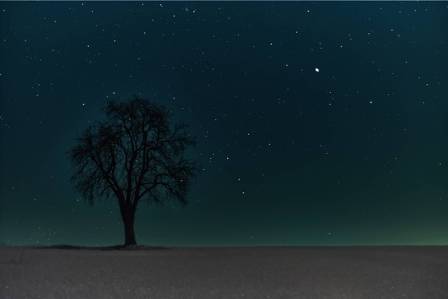
Millet’s approach is one of dramatic simplicity and reverence. He allows the foreground to sink into near-total darkness, forcing the viewer’s attention upward to a magnificent, expansive sky filled with stars, including streaking meteors. This stark contrast highlights the sublime scale of the cosmos against the humble, shadowed earth.

J.M.W. Turner – Fishermen at Sea (1796)

An early work showcasing Turner’s genius for drama, this painting employs forceful value contrast to depict the peril of a small boat on a tempestuous night sea. The brilliant slash of moonlight breaking through the clouds illuminates the churning waves, emphasizing nature’s overwhelming power and the fragility of human endeavor.

Ivan Aivazovsky – Stormy Sea at Night (1849)

Similar to Turner, Aivazovsky was a master of marine drama. In this work, a shaft of yellow moonlight cuts across the composition, defining the formidable peaks and troughs of the stormy sea. The artist expertly restrained the blues in the water, understanding that under a strong yellow light, they would appear darkened, thereby enhancing the realism of the illuminated scene.

George Inness – Watching the Sun Glow (1887)

A leading Tonalist, Inness specialized in mood and atmosphere. This painting demonstrates how light can be effectively conveyed using relatively dark colors. The hazy, muted glow on the horizon appears luminous precisely because of the deep, somber tones that surround it, proving that in painting, all effects are achieved through careful relational contrast.

George Henry – River Landscape by Moonlight (1887)
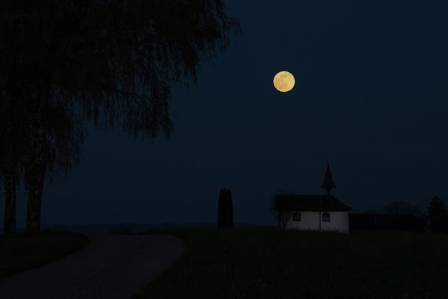
This painting is a bold and successful exercise in heightened color. Henry used rich, saturated purples and blues for the shadows and landscape, contrasting them with vivid yellows and oranges for the moonlight and its reflections. This departure from a more naturalistic palette creates a powerfully emotive and decorative interpretation of the night.

Childe Hassam – Rainy Midnight (1890)

Hassam captured a wet, atmospheric urban night not with deep darkness, but with a high-key, muted color scheme. Using fleeting, impressionistic brushwork and soft contrasts, he conveyed the diffusing effect of rain and mist. The distant streetlights become crucial points of reference, making their surrounding gloom appear deeper through comparison.

Core Techniques in Night Painting

Analysis of these works reveals three consistent artistic strategies:
  1. Pronounced Value Contrast: The effective illusion of light relies on the stark juxtaposition of bright highlights against very dark shadows.
  2. Strategic Ambiguity: Details are often suppressed or lost in the shadow areas, allowing the viewer's imagination to participate in completing the scene.
  3. Color Restraint: With notable exceptions like van Gogh and Henry, most artists use a muted, limited palette, as bright colors are rarely visible under low-light conditions.

Practical Guidance for Artists

Painting night scenes presents unique challenges, as working from direct observation is difficult. Artists are advised to synthesize information from multiple sources: memory, quick color studies, photographic reference, and the work of masters. The key is to identify and emphasize the core emotional idea of the scene—be it the silence of moonlight, the glitter of reflections, or the warmth of a window. Remember, creating the illusion of light is always an exercise in skillful contrast. In nocturnal paintings, it is generally more effective to exaggerate the contrast between light and dark than to understate it.

और पढ़ें

सर्फिंग के लिए यात्रा की सुंदरता: सिर्फ लहरों से अधिक

सर्फिंग के लिए यात्रा की सुंदरता: सिर्फ लहरों से अधिक

सर्फिंग केवल एक खेल नहीं है - यह जीवन का एक तरीका है, एक जो आपको पृथ्वी पर कुछ सबसे सुंदर स्थानों की ओर ले जाता है। चाहे आप घर पर लहरों की सवारी कर रहे हों या दुनिया भर में सर्फ का पीछा कर रहे हों, अपने जुनून को नए तटों पर ले जाने के बारे में कुछ विशिष्ट रूप से पूरा कर रहे हैं। सर्फिंग के लिए यात्रा करने से आपके कौशल को आगे बढ़ाने, जीवंत संस्कृतियों का पता लगाने और नई दोस्ती खोजने का मौका मिलता है-सभी महासागर की वर्तमान लय को गले लगाते हुए।
जेब ब्रिंकले
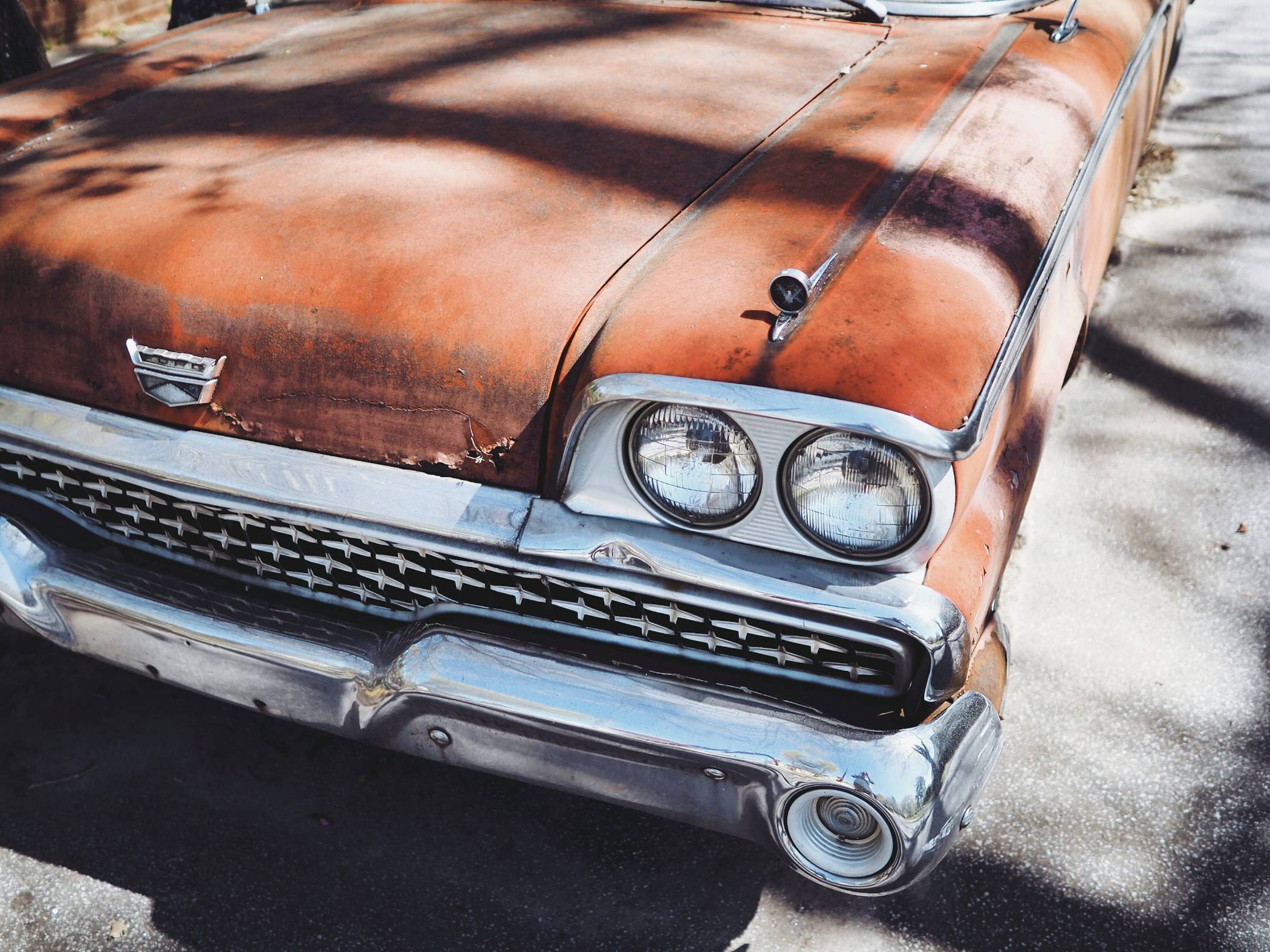
स्पोर्ट्स कारों का विकास | बोरो

स्पोर्ट्स कारों का विकास | बोरो

स्पोर्ट्स कारें एक सदी से भी ज़्यादा समय से मौजूद हैं, और अपने शुरुआती दिनों से ही वे काफ़ी आगे बढ़ चुकी हैं। स्ट्रिप्ड-डाउन रोडस्टर के रूप में अपनी साधारण शुरुआत से लेकर आज की स्लीक और हाई-टेक मशीनों तक, स्पोर्ट्स कारें हमेशा से ही गति, शक्ति और शैली का प्रतीक रही हैं। इस लेख में, हम स्पोर्ट्स कारों के इतिहास और समय के साथ उनके विकास पर करीब से नज़र डालेंगे।

अभिराज
रिंग-टेल्ड लेमूर

रिंग-टेल्ड लेमूर

डालियों पर सावधानी से चलते हुए, लेमूर अपनी पत्तों वाली दुनिया में घूमता है
अक्षत
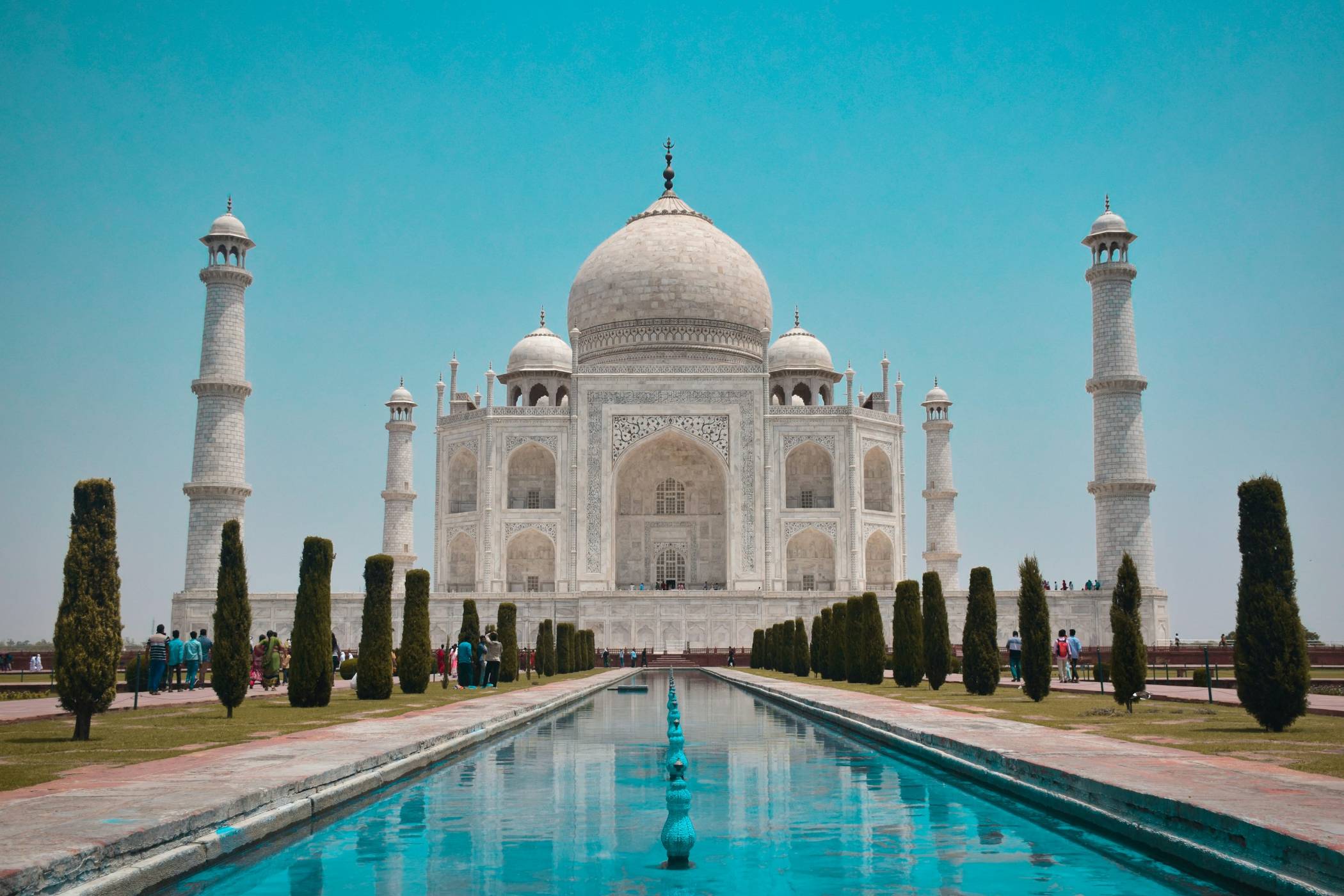
दुनिया की 13 सबसे प्रतीकात्मक वास्तुकलाएँ जिन्हें हर छात्र को देखना चाहिए

दुनिया की 13 सबसे प्रतीकात्मक वास्तुकलाएँ जिन्हें हर छात्र को देखना चाहिए

वास्तुकला मानव दृष्टि और रचनात्मकता का एक महत्वपूर्ण हिस्सा है; प्रत्येक इमारत की अपनी एक कहानी और प्रेरणा होती है। कई शहर अपनी शानदार वास्तु कृतियों के कारण प्रसिद्ध हो गए हैं, और दुनिया के हर कोने से लोग इनका दौरा करने आते हैं ताकि वे उन वास्तुकारों की अद्भुत रचनात्मकता का आनंद ले सकें जिन्होंने इन्हें बनाया। यदि आप वास्तुकला पाठ्यक्रम ले रहे हैं और कठिन स्कूलवर्क से आराम पाने के लिए कहीं यात्रा करने की योजना बना रहे हैं, तो निम्नलिखित वास्तु कृतियों का दौरा करने पर विचार करें।

रिया
16 Astonishing Facts You Were Unaware Of About Pizza

16 Astonishing Facts You Were Unaware Of About Pizza

The Origins of Pizza: Even though pizza is now strongly associated with Italy, its beginnings can be traced to ancient periods when both Greeks and Egyptians baked flatbreads adorned with olive oil and spices. The contemporary pizza featuring tomato toppings originated in Naples in the late 18th century.

LLucas Davis
7 Creative Ways to Use Felt Scraps and Be Happy!

7 Creative Ways to Use Felt Scraps and Be Happy!

Felt scraps are the hidden gems of crafting—those tiny, colorful bits left over from bigger projects that hold endless creative potential. Instead of letting them gather dust in a drawer, turning them into handmade treasures is a joyful, meditative way to embrace creativity, reduce waste, and add personal charm to your life (or gifts!). Whether you’re a seasoned crafter or a beginner looking for simple, satisfying projects, these 7 ideas will turn your felt scraps into something special—all while sparking happiness in the process.

CCharles
धरती के 5 सबसे मनमोहक फूल

धरती के 5 सबसे मनमोहक फूल

फूलों में खुशी भरने और भावनाओं को जगाने की एक अद्भुत क्षमता होती है। ये हमारी कला, साहित्य और सांस्कृतिक परंपराओं पर राज करते हैं। अपने जीवंत रंगों, विविध आकृतियों और मोहक खुशबुओं के साथ, ये तुरंत एक गहरा जुड़ाव और प्रशंसा पैदा कर देते हैं।
एमिली
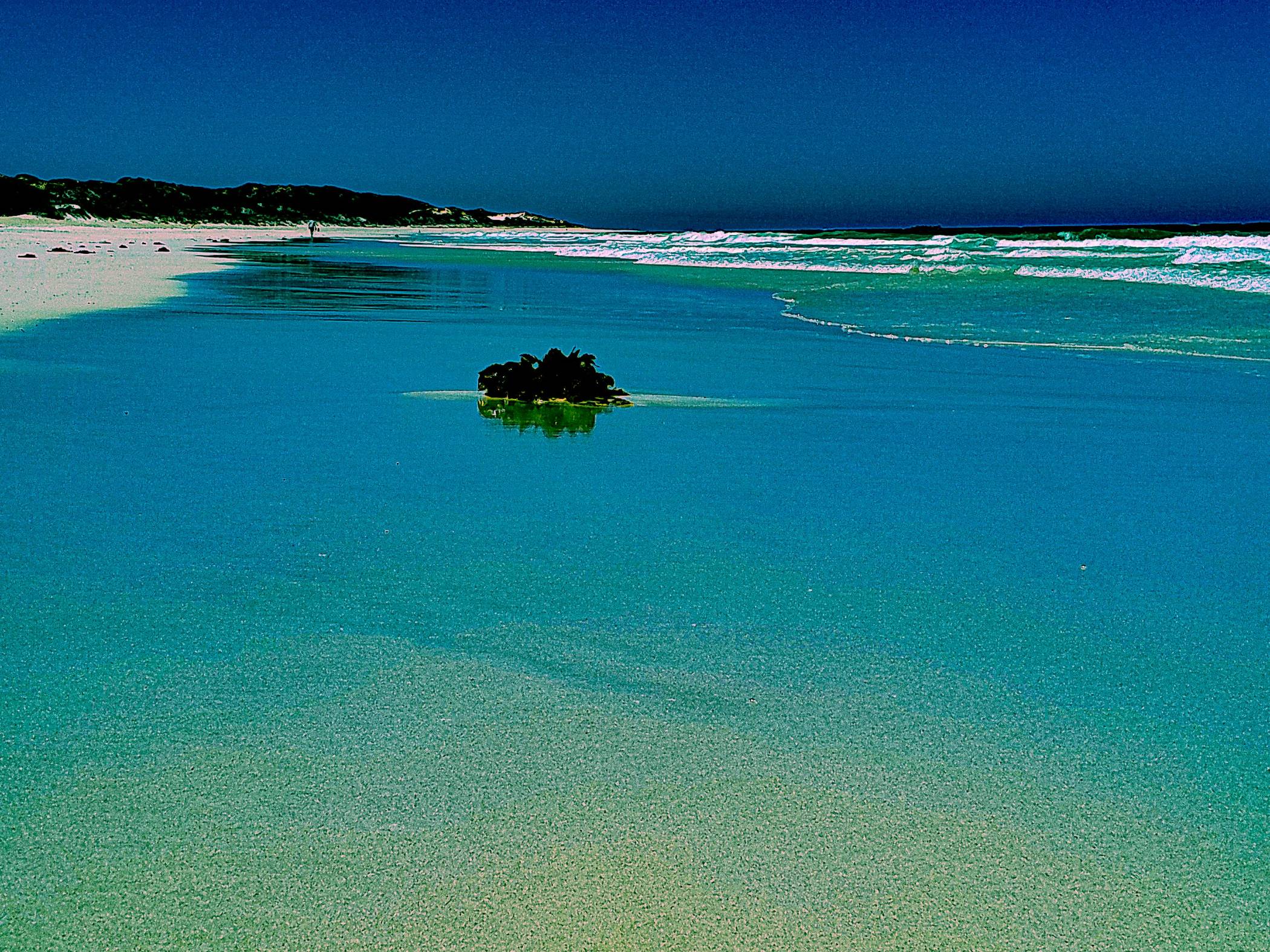
इन 8 बीच पर दुनिया का सबसे नीला पानी है

इन 8 बीच पर दुनिया का सबसे नीला पानी है

उथले नीले पानी में, हर आवाज़ धीमी हो जाती है, हर रंग शांत हो जाता है

सुनील
हिरण के बारे में 15 मजेदार तथ्य

हिरण के बारे में 15 मजेदार तथ्य

दुनिया भर में कई हिरण प्रजातियां बिखरी हुई हैं। सफेद पूंछ वाले हिरण, ओडोकोइलस वर्जिनस, एक ही पशु परिवार (सेरविडे) से संबंधित हैं जो मूस, एल्क और हिरन के रूप में हैं। वे अमेरिका के मूल निवासी हैं, लेकिन यूरोप, दक्षिण प्रशांत और कैरिबियन से मिलवाया गया है। यहां इन सामान्य वुडलैंड जीवों के बारे में कुछ मजेदार तथ्य दिए गए हैं।
दीपिका
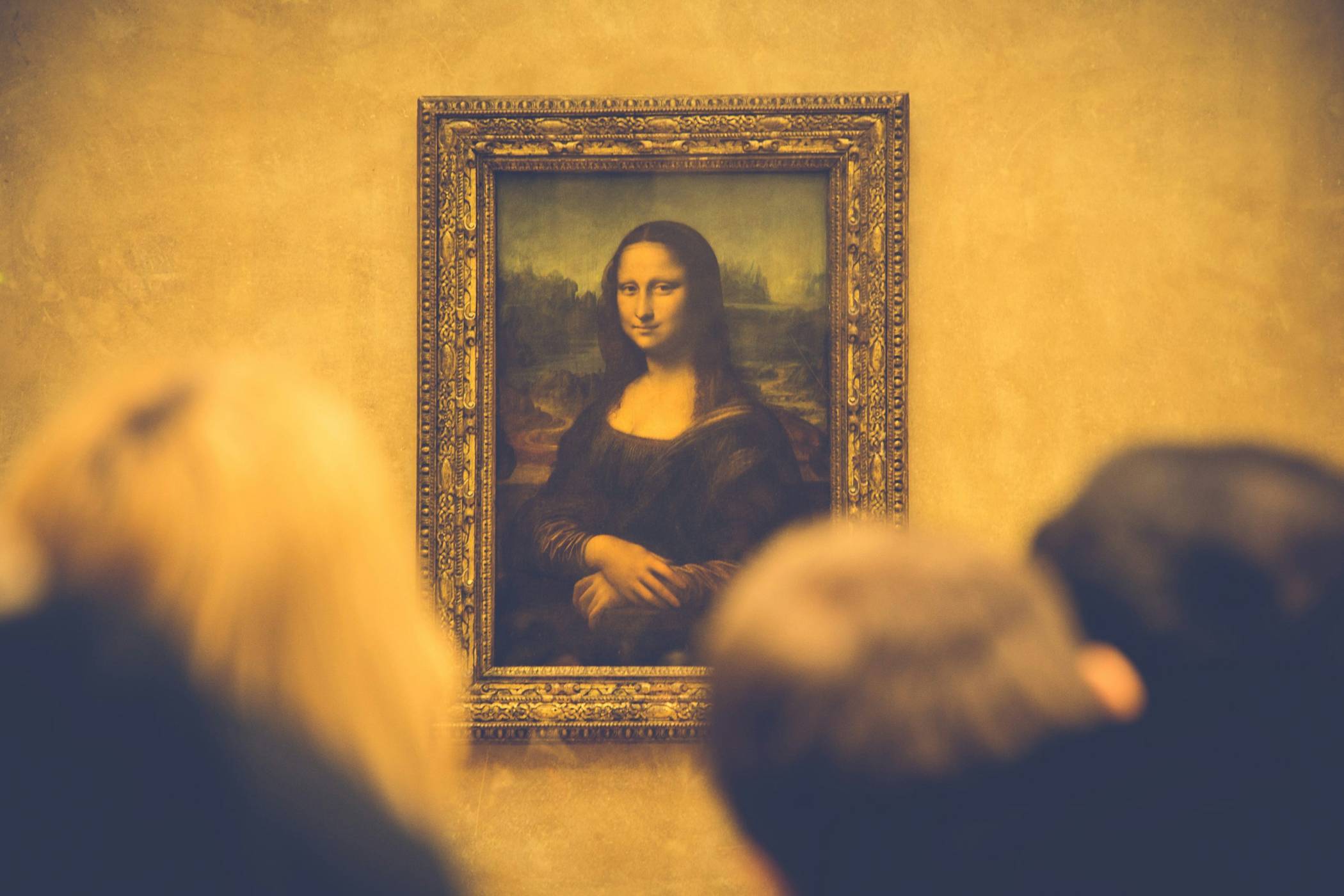
छिपे हुए अर्थ वाली विश्व प्रसिद्ध पेंटिंग्स की खोज

छिपे हुए अर्थ वाली विश्व प्रसिद्ध पेंटिंग्स की खोज

पेंटिंग न केवल एक रचनात्मक कला है बल्कि अपनी भावनाओं और विचारों को व्यक्त करने का एक शानदार तरीका भी है। पेंटिंग शब्द अलग-अलग लोगों के लिए अलग-अलग अर्थ रखता है। कुछ के लिए, यह एक रंगीन साहसिक कार्य हो सकता है, जबकि दूसरों के लिए यह तनाव और चिंता से राहत पाने का साधन हो सकता है। इसलिए, कला और पेंटिंग की रचनात्मक शक्ति पर किसी को संदेह नहीं हो सकता। इसके अलावा, दुनिया भर के कलाकार अपने विचारों और भावनाओं को बहुत ही सौंदर्यपूर्ण और दृश्यात्मक तरीके से व्यक्त करने के लिए पेंटिंग का उपयोग करते हैं। इसलिए, इस लेख में, हम छिपे हुए अर्थ वाली विश्व प्रसिद्ध पेंटिंग्स के बारे में बात करेंगे।

भावना