होमपेज पर लौटें

स्टोरी फोकस

Czech Cubism, Permanent Exhibition of the Museum of Decorative Arts in Prague (Rewritten & Expanded)

Returning to a city you love is like turning the page of a book you never finished—there are always new chapters to explore, hidden corners to uncover, and stories to learn that didn’t make it into your initial visit. On a recent return trip to Prague, this sentiment felt particularly vivid. While my first visits had been filled with the iconic sights—the Charles Bridge at dawn, the grandeur of Prague Castle, the winding lanes of the Old Town—this time, I was fortunate to have a local guide by my side, someone who knew the city’s artistic pulse beyond the well-trodden tourist paths. It was through this guide that I stumbled upon the Permanent Exhibition of Czech Cubism, a self-contained treasure trove nestled within the Museum of Decorative Arts in Prague. Housed in the legendary House at the Black Madonna (Dům U Černé Matky Boží), this exhibition isn’t just a collection of artworks; it’s a portal to a pivotal moment in Prague’s cultural history, when the city emerged as one of the most important centers of the Cubist movement outside of Paris. What makes this experience even more extraordinary is that the exhibition itself is set within a Cubist masterpiece—a building that embodies the very principles of the art form it showcases. In this expanded exploration, I’ll delve into the history of Czech Cubism, the unique characteristics that set it apart from its Parisian roots, the highlights of the exhibition, and why this underrated gem deserves a spot on every art lover’s Prague itinerary.

S

Sophia Anderson

रिपोर्टर

Czech Cubism, Permanent Exhibition of the Museum of Decorative Arts in Prague (Rewritten & Expanded)

Introduction: Rediscovering Prague’s Cubist Gem

Returning to a city you love is like turning the page of a book you never finished—there are always new chapters to explore, hidden corners to uncover, and stories to learn that didn’t make it into your initial visit. On a recent return trip to Prague, this sentiment felt particularly vivid. While my first visits had been filled with the iconic sights—the Charles Bridge at dawn, the grandeur of Prague Castle, the winding lanes of the Old Town—this time, I was fortunate to have a local guide by my side, someone who knew the city’s artistic pulse beyond the well-trodden tourist paths. It was through this guide that I stumbled upon the Permanent Exhibition of Czech Cubism, a self-contained treasure trove nestled within the Museum of Decorative Arts in Prague. Housed in the legendary House at the Black Madonna (Dům U Černé Matky Boží), this exhibition isn’t just a collection of artworks; it’s a portal to a pivotal moment in Prague’s cultural history, when the city emerged as one of the most important centers of the Cubist movement outside of Paris. What makes this experience even more extraordinary is that the exhibition itself is set within a Cubist masterpiece—a building that embodies the very principles of the art form it showcases. In this expanded exploration, I’ll delve into the history of Czech Cubism, the unique characteristics that set it apart from its Parisian roots, the highlights of the exhibition, and why this underrated gem deserves a spot on every art lover’s Prague itinerary.

The Historical Tapestry: Prague’s Avant-Garde Moment in the Early 20th Century

To understand why Czech Cubism found such fertile ground in Prague, we must first step back into the early 20th century, a time of immense intellectual ferment and artistic experimentation across Europe. Prague, then part of the Austro-Hungarian Empire, was a thriving hub of creativity and critical thought—a city where ideas crossed borders as freely as the merchants and scholars who passed through its streets. The empire’s connectivity meant that Prague’s artists, writers, and thinkers were in constant dialogue with the cutting-edge developments in Paris, Vienna, and beyond. It was a period when giants of thought walked the city’s streets: Albert Einstein, who held a position at Prague’s German University from 1911 to 1912, and Franz Kafka, whose existential narratives would later define modern literature, were both regulars at the city’s literary salons, where debates about art, science, and society raged late into the night. This vibrant intellectual climate provided the perfect backdrop for the emergence of a distinct Cubist movement in Prague. Unlike in Paris, where Cubism was initially confined to the realm of fine art, in Prague, it would spread like wildfire, infiltrating applied art, design, and even architecture—becoming a way of life rather than just a style of painting. The Cubist movement in Prague flourished roughly between 1911 and 1914, though at the time, it was not yet known by the term “Cubism”; instead, it was referred to as “New Art” (Nové Umění), a nod to its revolutionary spirit. It was a movement driven by a desire to break free from the constraints of traditional art, to capture the essence of objects and spaces through new forms and perspectives, and to reflect the rapid modernization of society in the early 20th century.

Cubism with a Czech Twist: Crystals, Nature, and the Fusion of Art and Life

Cubism, as a movement, had its origins in Paris around 1907, thanks to the pioneering work of Pablo Picasso and Georges Braque. Rejecting the age-old notion that art should be a realistic copy of nature, Picasso and Braque set out to reimagine how objects could be represented. They fragmented forms, emphasized geometric shapes, and often depicted the same object from multiple angles simultaneously, aiming to capture its “essence” rather than a single, fixed view. While Czech Cubism drew inspiration from these Parisian roots, it evolved into something uniquely its own—shaped by Czech culture, history, and a deep connection to the natural world. The defining feature of Czech Cubism, and what sets it apart from its French counterpart, is its obsession with crystals. Crystal collecting was a beloved national pastime in the Czech Republic throughout the 20th century, and for Czech Cubist artists, these crystalline structures represented the perfect fusion of nature and order. Unlike the abstracted forms of Parisian Cubism, which often felt disconnected from the natural world, Czech Cubist works retained a link to nature through their crystalline geometries—sharp angles, faceted surfaces, and a sense of structural harmony that mirrored the way crystals grow. Another key distinction was the movement’s scope: while Parisian Cubism was primarily focused on painting and sculpture, Czech Cubism embraced applied art and architecture, seeking to integrate art into every aspect of daily life. This vision was championed by the Group of Fine Artists (Skupina výtvarných umělců), a diverse collective of painters, sculptors, architects, designers, illustrators, art historians, and critics who worked together to promote Cubist ideas. For them, Cubism wasn’t just an artistic style; it was a philosophy—a way to create a more modern, rational, and beautiful world through design.

The House at the Black Madonna: A Cubist Masterpiece as Exhibition Space
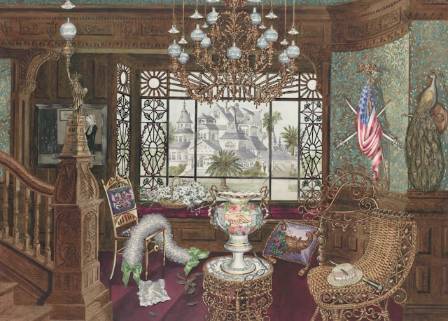
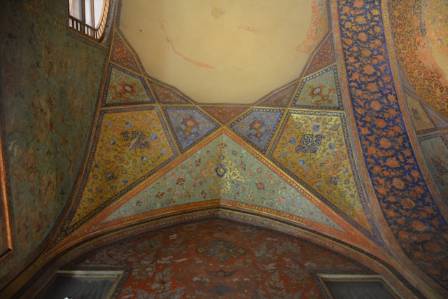
The decision to house the Permanent Exhibition of Czech Cubism in the House at the Black Madonna is no accident—this building is a Cubist icon in its own right, and stepping inside it is like stepping into a three-dimensional Cubist artwork. Completed in 1912 by the renowned Czech architect Josef Gočár, the House at the Black Madonna was originally designed as a department store, a purpose that aligned perfectly with the Cubist vision of integrating art into everyday life. The building’s name comes from a Baroque sculpture of the Black Madonna that adorns its facade—a relic from an earlier building that stood on the site, a deliberate nod to Prague’s layered history. Gočár used a reinforced-concrete skeleton for the building, a revolutionary construction technique at the time that allowed for large, open internal spaces—ideal for a department store, and later, for an art exhibition. Every inch of the building is infused with Cubist details: from the geometric patterns that decorate its exterior walls, to the angular dormer windows that jutt out from the roof, to the intricate wrought-iron railings that line the staircases. Inside, the star attraction (aside from the exhibition itself) is the restored Cubist café on the first floor. With its angular tables and chairs, faceted chandeliers, and walls adorned with Cubist murals, the café is a perfect example of how Czech Cubism transformed even the most ordinary spaces into works of art. It’s easy to imagine the city’s artists and intellectuals gathering here a century ago, sipping coffee and debating the future of art and society. The building’s internal staircase is another highlight: a sweeping, geometric structure that seems to defy traditional architectural norms, with sharp angles and clean lines that embody the Cubist spirit. For anyone visiting the exhibition, taking the time to appreciate the building itself is just as important as viewing the artworks within—it’s a tangible reminder of how Cubism wasn’t just something you looked at, but something you lived in.

Exploring the Exhibition: A Journey Through Cubist Design and Art

Before diving into the exhibition, a word of practical advice: the museum attendants may not speak English, so if you’re approached by someone in Czech, don’t panic—they’re almost certainly just asking to see your ticket. With that in mind, the best way to experience the exhibition is to start from the top floor and work your way down, a route that allows you to follow the evolution of Czech Cubism and appreciate the breadth of the movement. The exhibition is thoughtfully curated to showcase the full range of Czech Cubism’s possibilities, from fine art to applied design, and it does an excellent job of demonstrating how the movement permeated every aspect of daily life in early 20th-century Prague. The first thing you’ll notice is the diversity of the collection: there are paintings and sculptures by leading Czech Cubist artists, architectural models of other famous Cubist buildings in Prague (including the Adria Palace and the Cubist Villa Müller), and a stunning array of applied art objects. The furniture section is particularly impressive: angular armchairs, faceted tables, and intricately designed cabinets that blur the line between functional furniture and sculpture. Many of these pieces are surprisingly livable—their geometric forms feel modern even by today’s standards—while others are more avant-garde, pushing the boundaries of what furniture could be. The ceramics section features vases, bowls, and plates with sharp, angular shapes and bold, geometric patterns, while the lighting section includes chandeliers and table lamps that cast dramatic, fragmented shadows—perfect for creating a Cubist atmosphere. One of the most fascinating parts of the exhibition is the display of Cubist fabrics. Surviving examples of Cubist textiles are extremely rare, so the curators have used a touch of creativity to recreate some of these designs, allowing visitors to imagine how they would have adorned beds, sofas, and walls in a Cubist home. Throughout the exhibition, there are informative labels (in both Czech and English) that provide context about the artworks and the artists behind them, helping to bring the history of Czech Cubism to life. Whether you’re an art historian or a casual visitor, the exhibition offers something for everyone—an opportunity to marvel at the creativity of the Czech Cubist artists, to learn about a unique chapter in art history, and to imagine a world where art and daily life are seamlessly integrated.

Conclusion: Why the Czech Cubism Exhibition Is a Must-Visit in Prague
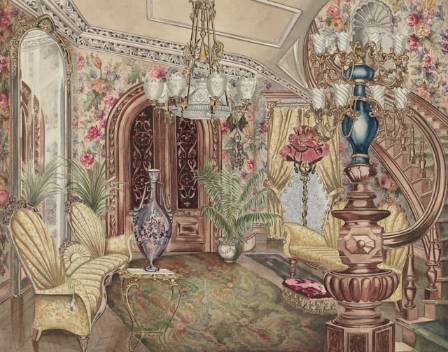
By the time I finished exploring the Permanent Exhibition of Czech Cubism, I felt a newfound appreciation for Prague—not just as a city of historic beauty, but as a hub of avant-garde creativity. The exhibition is the perfect size: large enough to be comprehensive, but small enough that you can explore it in an hour or two, making it easy to fit into a busy day of sightseeing. The first-floor café is a lovely spot to relax after your visit, offering a chance to reflect on what you’ve seen while sipping a coffee in a genuine Cubist setting (just be sure to distinguish it from the more touristy ground-floor café). What struck me most about the exhibition, though, was how it made tangible the spirit of Prague in the early 20th century—a city where artists, writers, and thinkers came together to challenge the status quo, to experiment with new ideas, and to create something truly unique. Czech Cubism is more than just an artistic style; it’s a testament to the creativity and innovation of the Czech people, and to the city’s role as a cultural crossroads. For art lovers, history buffs, or anyone with an interest in design, this exhibition is a must-visit. It offers a rare glimpse into a movement that has often been overshadowed by its Parisian counterpart, and it tells a story of how art can transform not just canvases and sculptures, but entire buildings, homes, and ways of life. Salterton Arts Review’s rating: 3.5/5—while it may not be as grand as some of Prague’s larger museums, its uniqueness and charm make it an unforgettable experience.

और पढ़ें

Celebrating the Top 5 Legends of Drag Racing

Celebrating the Top 5 Legends of Drag Racing

For half a century, the National Hot Rod Association (NHRA) has witnessed thrilling battles of speed and grit on the drag racing strip. Among the countless contenders who have burned rubber in pursuit of glory, a select few stand out as true legends. These racers have not only clinched numerous championships but have also pushed the limits of innovation and performance through quality race car parts, ensuring their machines can withstand the punishing nature of the sport. Often, Top Fuel and Funny Car racers must refresh or rebuild their engines after each round, with races lasting as little as 3.5 seconds. Here’s a closer look at the top 5 drag racing legends, presented in alphabetical order.

VVictoria
अब तक के शीर्ष 10 ऐतिहासिक जहाज

अब तक के शीर्ष 10 ऐतिहासिक जहाज

जहाज सदियों से विकसित होते रहे हैं, आदिम खोखले लॉग से लेकर रोमन ट्राइरेम्स, पवन-चालित जहाज और उन्नत परमाणु-संचालित सुपरकैरियर तक। हालाँकि, कुछ जहाजों ने महान नौसैनिक युद्ध लड़कर या उसके परिणामस्वरूप दुखद भाग्य का सामना करके इतिहास रच दिया है। इन जहाजों का लोगों पर स्थायी प्रभाव पड़ा है और इन्हें आने वाली सदियों तक याद रखा जाएगा। इस लेख में ऐसे 10 ऐतिहासिक जहाजों पर चर्चा की गई है।

विक्रम
Ginger Man: 1875 Folktale Origins and Authentic Cookie Traditions

Ginger Man: 1875 Folktale Origins and Authentic Cookie Traditions

The gingerbread man—known interchangeably as the "ginger man" in some regional traditions—occupies a unique space in global culture as both a beloved children’s folktale character and an iconic spiced cookie shaped like a human figure. At the heart of its charm lies the whimsical narrative of a magically animated cookie that escapes capture, teasing pursuers with the legendary refrain: “Run, run as fast as you can! You can’t catch me, I’m the gingerbread man!” This dual identity has transformed the gingerbread man from a simple European baked good into a worldwide holiday symbol, weaving together storytelling, culinary heritage, and nostalgic appeal that resonates across ages. More than just a treat or a storybook figure, it represents the intersection of food and folklore, a cultural touchstone that bridges past and present through scent, taste, and narrative.

OOliver
गोल्फ़ - स्वास्थ्य लाभ

गोल्फ़ - स्वास्थ्य लाभ

इस खूबसूरत खेल में हर स्ट्रोक एक सुंदर नृत्य है, जो कौशल और शैली का सम्मिश्रण है।
रमेश
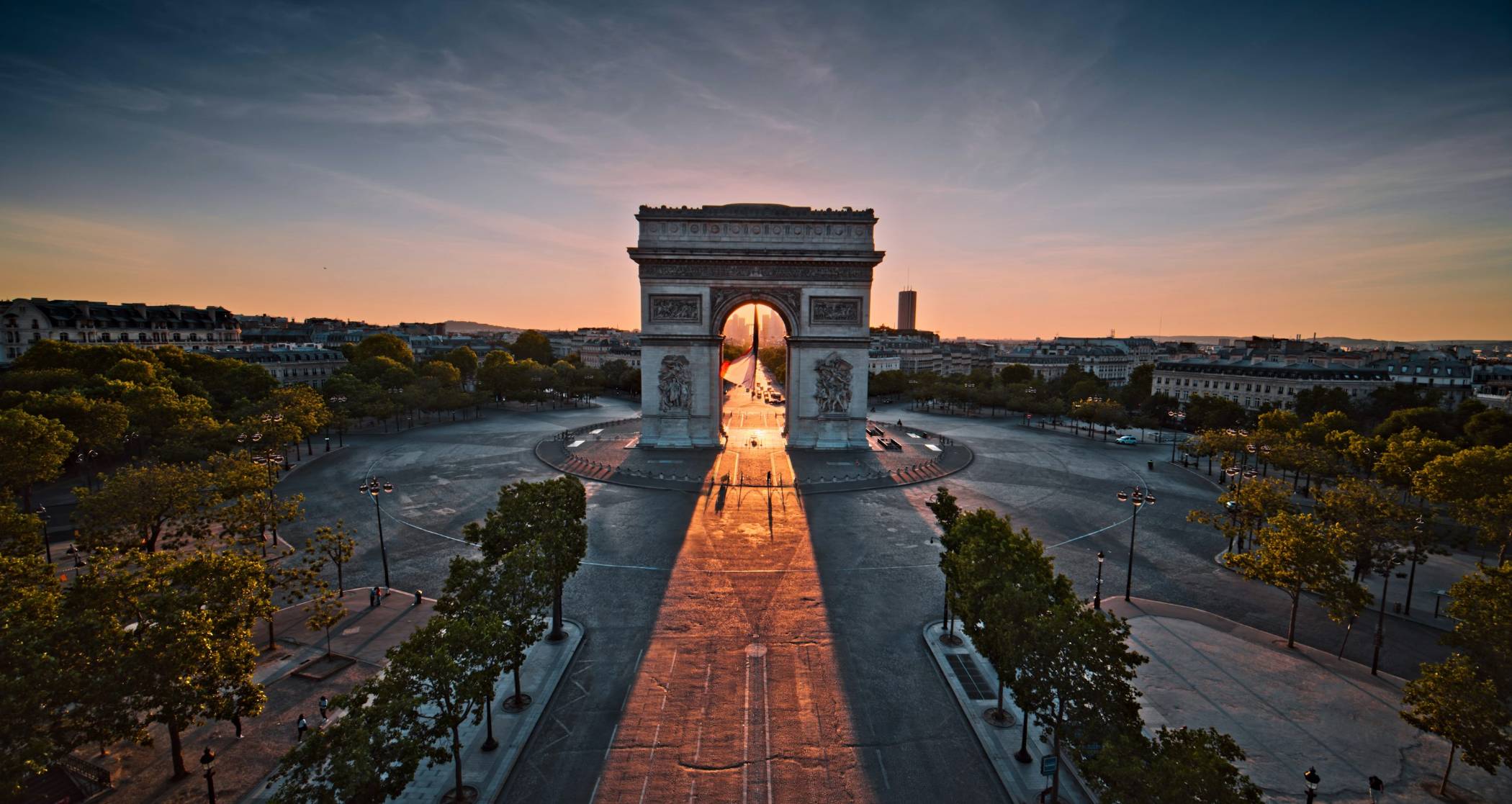
आर्क डी ट्रायम्फ में घूमना: एक यादगार विज़िट के लिए प्रैक्टिकल टिप्स

आर्क डी ट्रायम्फ में घूमना: एक यादगार विज़िट के लिए प्रैक्टिकल टिप्स

हिम्मत और सम्मान की एक यादगार जगह, आर्क पत्थर पर फ्रांस की कहानी बताता है

प्रीति
परफेक्ट पॉपकॉर्न

परफेक्ट पॉपकॉर्न

शुरुआत से पॉपकॉर्न बनाना मुश्किल हो सकता है। आप न केवल यह चाहते हैं कि जितने संभव हो उतने कर्नेल पॉप करें, बल्कि आप यह भी चाहते हैं कि कर्नेल पैन के नीचे जलने से बचें। जब तक मेरी माँ ने मुझे स्टोवटॉप पॉपकॉर्न बनाने का तरीका नहीं दिखाया, तब तक मैं आमतौर पर आसान तरीका अपनाता था और माइक्रोवेव पॉपकॉर्न का इस्तेमाल करता था। मेरी माँ के पॉपकॉर्न बनाने का तरीका न केवल लगभग हर कर्नेल पॉप करता है, बल्कि कर्नेल को जलने से भी बचाता है। उन्होंने पहली बार यह तकनीक दशकों पहले पॉपकॉर्न बॉक्स के पीछे से सीखी थी। उनका तरीका पॉपकॉर्न कर्नेल को पॉप करने से पहले एक समान तापमान पर आने देता है, जिसके परिणामस्वरूप बहुत कम अन-पॉप कर्नेल (आमतौर पर कोई नहीं) और कम जले हुए कर्नेल (फिर से, आमतौर पर कोई नहीं) होते हैं। जब से हमने 2005 में पहली बार यह कैसे करें पोस्ट किया है, तब से यह साइट पर सबसे लोकप्रिय व्यंजनों में से एक रहा है। आनंद लें!

अमित
अपने द्वारा देखे गए एक सुंदर सूर्यास्त का वर्णन करें निबंध 350 शब्द​

अपने द्वारा देखे गए एक सुंदर सूर्यास्त का वर्णन करें निबंध 350 शब्द​

कुछ साल पहले, मैंने एक सूर्यास्त देखा जो तब से मेरी यादों में सबसे खूबसूरत नज़ारों में से एक के रूप में अंकित है। यह गर्मियों की एक गर्म शाम थी, और मैं तट के किनारे एक शांत समुद्र तट पर जा रहा था। दिन धूप में तपने और ठंडी समुद्री हवा का आनंद लेने में बीता था, लेकिन जैसे-जैसे शाम करीब आती गई, आसमान एक तरह से बदलने लगा जो लगभग जादुई था।

शिवम्
दुनिया के शीर्ष दस सर्फिंग स्थल

दुनिया के शीर्ष दस सर्फिंग स्थल

सर्फिंग एक ऐसा खेल है जिसने दुनिया भर में लाखों लोगों का दिल जीत लिया है। इसका आरंभ प्राचीन पोलिनेशियन संस्कृति से हुआ था, और यह अब एक वैश्विक घटना बन चुका है, जिसमें सर्फर हर महाद्वीप पर बेहतरीन लहरों की खोज करते हैं। हवाई की विशाल बोरियों से लेकर ऑस्ट्रेलिया की साफ-सुथरी लहरों तक, ढेरों सर्फिंग स्थल हैं जो हर स्तर के सर्फर के लिए परफेक्ट लहरें प्रदान करते हैं। इस लेख में, हम दुनिया के शीर्ष दस सर्फिंग स्थलों का अन्वेषण करेंगे, और यह बताएंगे कि इन्हें क्या खास बनाता है और क्यों इन्हें सबसे बेहतरीन माना जाता है।
प्रिया
माइक्रो-स्केल मॉडलिंग: साधारण सामग्रियों से छोटे, जटिल संसारों का निर्माण कैसे करें

माइक्रो-स्केल मॉडलिंग: साधारण सामग्रियों से छोटे, जटिल संसारों का निर्माण कैसे करें

जोशुआ स्मिथ, दक्षिण ऑस्ट्रेलिया में रहने वाले एक लघु कलाकार और पूर्व स्टेंसिल कलाकार, जीविका के लिए छोटे, जटिल संसारों का निर्माण करते हैं। उनका काम, जो आश्चर्यजनक अवलोकन और प्रतिनिधित्व कौशल प्रदर्शित करता है, "शहरी पर्यावरण के अनदेखे पहलुओं - जैसे कि गंदगी, जंग और क्षय से लेकर त्यागे गए सिगरेट और भित्तिचित्र" पर केंद्रित है, सभी को 1:20 के पैमाने पर फिर से बनाया गया है। स्मिथ, जो लगभग एक दशक से मॉडल किट बना रहे हैं, ने हाल ही में स्टेंसिल कला बनाने के 16 साल के करियर से दूर जाने का फैसला किया। अपनी रचनात्मक प्रतिभाओं के साथ अब मॉडल बनाने और शिल्प के साथ आने वाले सभी कौशलों पर ध्यान केंद्रित करते हुए, आर्कडेली पूछता है: आप यह कैसे करते हैं?

ऋचि
ब्लैक-चीक्ड लवबर्ड

ब्लैक-चीक्ड लवबर्ड

लवबर्ड एक डाल पर चौकन्ना खड़ा होता है, और अपने आस-पास की हलचल को देखता रहता है।

सुमित