First impressions matter—whether you’re meeting a business partner, dining at a fine restaurant, or simply navigating the daily hustle. A fleece jacket might be ideal for hiking or camping, but it can come across as too casual for formal or semi-formal settings. As temperatures drop, the need for polished, weather-appropriate outerwear becomes non-negotiable, and the overcoat emerges as a wardrobe cornerstone. However, selecting the right overcoat is not a one-size-fits-all task. With a wide array of styles, materials, and designs available, understanding the nuances of each coat type is key to making a choice that balances warmth, style, and versatility. This guide breaks down the most popular men’s winter outerwear options, their unique characteristics, and how to pick the perfect piece for your lifestyle and wardrobe.
Key Men’s Coat Styles: Definitions and Origins
When it comes to men’s winter outerwear, several iconic styles have stood the test of time, each with its own history and purpose. Familiarizing yourself with these core styles is the first step toward finding a coat that aligns with your needs.
The topcoat traces its roots back to 17th-century Europe, where it was designed as a strictly formal garment meant to protect expensive suits from the elements. Unlike heavy winter coats, early topcoats were lightweight yet refined, serving as a stylish layer rather than a primary source of warmth. Today, the topcoat retains its elegant heritage while evolving to suit modern tastes. Characterized by wide lapels, deep cuffs, and a length that hits at or just above the knees, it adds visual depth and sophistication to tailored outfits. Whether worn over a sharp suit for the office or layered over a sweater and chinos for a smart-casual look, the modern topcoat is a versatile addition to any wardrobe.
The pea coat has a rugged, military-inspired history that dates to the 19th century, when it was adopted as a uniform by naval forces. Crafted from heavy wool, this short, double-breasted coat was built to withstand harsh maritime conditions. Its defining features include oversized lapels, large round buttons, and a stand-up collar that provides extra protection against wind and spray. After its military origins, the pea coat quickly transitioned to civilian wear, becoming a mainstream staple. While it leans toward the casual side of the style spectrum, it can be dressed up with a turtleneck and tailored trousers for a sleek, contemporary look, making it a favorite for men who value both function and edge.
The duffle coat is a unique classic distinguished by two key features: a hood and front toggle closures. Its origins can be traced to military wear as well, where its practical design made it ideal for cold, wet climates. Made from heavy, coarse wool that offers natural water resistance, the duffle coat is built for warmth and durability. It typically features a square shoulder yoke and two roomy patch pockets, adding to its utilitarian charm. The length varies from mid-thigh to knee-length, catering to different preferences. What sets the duffle coat apart is its inherent versatility—unlike some structured outerwear pieces, it can be worn over everything from suits to jeans and hoodies, making it a go-to for men who prioritize comfort without sacrificing style.
The trench coat, another military-born classic, was originally developed for soldiers in World War I to shield them from rain and mud. Designed with functionality in mind, it is typically made from gabardine, cotton, or poplin—fabrics that are lightweight yet water-resistant. Longer than the pea coat, the trench coat usually hits at or below the knees, providing full-body coverage. Its iconic design elements include a belted waist (for a tailored fit), epaulets, and a storm flap that adds extra protection against the rain. Over time, the trench coat has evolved into a symbol of timeless sophistication, seamlessly transitioning from the battlefield to the boardroom and the street. It pairs equally well with suits, casual trousers, and even denim, cementing its status as a versatile wardrobe essential.
Topcoat vs. Overcoat: Clearing Up the Confusion
Topcoats and overcoats are often used interchangeably, but they are distinct garments with different purposes. Understanding their differences is crucial for selecting the right piece for your needs.
An overcoat is a heavy, long coat designed to provide maximum warmth in cold weather. Typically made from thick wool, tweed, or cashmere, it is built to withstand harsh winters, with a length that often extends below the knees. Overcoats are structured and substantial, making them ideal for layering over suits, sweaters, and thick shirts during the coldest months. They are a primary source of warmth, prioritizing function without compromising on style, and are a staple for men living in regions with freezing temperatures.
On the other hand, a topcoat is a lighter alternative to the overcoat. Made from thinner wool blends, cotton, or linen, it is designed for transitional weather—think fall or mild winter days. Its length hits at or just above the knees, giving it a sleeker, more streamlined silhouette than the overcoat. The topcoat’s primary role is to add a polished layer to an outfit rather than to provide heavy-duty warmth. It is perfect for layering over suits in the office or pairing with chinos and a sweater for a smart-casual weekend look. In short, the overcoat is a winter workhorse, while the topcoat is a versatile transitional piece that bridges the gap between seasons.
Pea Coat vs. Trench Coat: Military Roots, Modern Styles

Both the pea coat and the trench coat have military origins, but their design, material, and functionality set them apart significantly. Choosing between the two depends on your climate, style preferences, and how you plan to wear the coat.
The most obvious difference lies in material. Pea coats are crafted from heavy wool, which provides excellent insulation but is not inherently waterproof. This makes them ideal for cold, dry winters, as the wool traps heat and keeps you warm even in frigid temperatures. Trench coats, by contrast, are made from lightweight, water-resistant fabrics like gabardine or cotton. These materials repel rain and moisture, making the trench coat a perfect choice for rainy or humid climates, as well as transitional seasons where rain and mild temperatures are common.
Design and length are also key differentiators. Pea coats are short, typically ending at the thigh, with a boxy, double-breasted silhouette that exudes a rugged, maritime vibe. Their stand-up collars and large buttons add to their distinctive look, while their shorter length makes them easy to move in—ideal for urban commutes or casual outings. Trench coats, on the other hand, are long and lean, with a belted waist that creates a tailored, sophisticated silhouette. Their longer length provides full-body coverage from rain and wind, and their classic design elements (epaulets, storm flaps) add a touch of timeless elegance.
Finally, versatility varies between the two. Pea coats lean casual but can be dressed up with a turtleneck and tailored trousers for a semi-formal look. They are best suited for cold, dry days and pair well with jeans, chinos, and casual suits. Trench coats are more versatile, transitioning seamlessly from formal to casual wear. They can be worn over a suit for the office, over a sweater and jeans for a weekend brunch, or even over a dress shirt and shorts during mild, rainy spring days. Whether you need a coat for cold winters or rainy transitional seasons, the pea coat and trench coat each offer unique benefits that cater to different needs.
Duffle Coat vs. Pea Coat: Comfort vs. Structure
The duffle coat and the pea coat are two iconic woolen coats that have stood the test of time, but they cater to different style sensibilities and needs. While both are made from heavy wool and designed for cold weather, their key differences lie in their structure and versatility.
The pea coat is a structured, double-breasted garment with a sleek, tailored silhouette. Its military heritage is evident in its clean lines, oversized lapels, and large buttons, which give it a sharp, polished look. However, its structured design makes it less casual than the duffle coat—it pairs well with tailored outfits but can feel out of place with overly casual pieces like hoodies or sweatpants. The pea coat is perfect for men who prefer a refined, put-together look and want a coat that adds a touch of sophistication to their winter wardrobe.
The duffle coat, by contrast, is a more relaxed, unstructured garment. Its defining features— a hood, toggle closures, and patch pockets—give it a laid-back, utilitarian charm. Unlike the pea coat, the duffle coat is incredibly versatile, pairing well with everything from suits and dress shirts to jeans, sweaters, and even loungewear. Its hood adds an extra layer of protection against wind and rain, making it more functional for harsh weather conditions. The duffle coat is ideal for men who prioritize comfort and versatility, wanting a coat that can take them from the office to the weekend without missing a beat.
In summary, the pea coat is a structured, stylish option for those who want a polished winter look, while the duffle coat is a relaxed, versatile choice for men who value comfort and practicality above all else.
Choosing the Right Coat for Your Climate
The key to a great outerwear purchase is selecting a coat that is tailored to your local climate. A coat that works in a freezing northern winter will be overkill in a mild southern climate, and vice versa. Below is a breakdown of the best coats for different temperature ranges, ensuring you stay warm and stylish no matter the weather.
Coats for Temperatures Below 5°C: Warm and Stylish
When the mercury drops below 5°C, you need a coat that balances warmth and style without feeling bulky. Two standout options for this temperature range are the GQ Trench Coat and the Wool Long Coat.
The GQ Trench Coat is exceptionally tailored, with accommodating shoulders and wide sleeves that make it perfect for layering over blazers and suits. Its length provides full coverage, while its water-resistant fabric adds an extra layer of protection against rain and wind. Whether you’re heading to the office or a formal event, this trench coat keeps you cozy and polished, making it a versatile choice for mild winter days.
The Wool Long Coat is a relaxed, button-front overcoat with savvy side pockets and a premium wool construction that delivers unmatched warmth. Its unstructured silhouette gives it a modern, casual vibe, while its length (hitting at the knees) provides full-body coverage. This coat pairs well with everything from suits to jeans, making it a go-to for men who want a single coat that works for multiple occasions.
Coats for Temperatures Below 0°C: Super Warm and Luxurious
For freezing temperatures below 0°C, you need a heavy-duty coat that delivers maximum insulation. The Musto Tweed Overcoat and the Vintage Plain Dark Gray Tweed Overcoat are two top picks for this category, crafted from pure wool to keep you warm even on the coldest days.
The Musto Tweed Overcoat is a high-fashion, slim-fitting piece that accentuates your best features. Its vintage double-breasted design features peaked lapels, six buttons, a back half-belt, and two large patch pockets, fusing utility with luxury seamlessly. Made from thick tweed wool, it traps heat effectively, making it ideal for sub-zero temperatures. Whether you’re attending a winter wedding or navigating a snowy commute, this overcoat keeps you warm and stylish.
The Vintage Plain Dark Gray Tweed Overcoat is a legendary design built for durability and warmth. Crafted from rough, hard-wearing pure wool, it stands up to harsh winter conditions while adding a sartorial edge to your wardrobe. Its three-button closure, peaked lapels, and side patch pockets give it a classic, timeless look that pairs well with tailored trousers, jeans, and everything in between. This coat is an investment piece that will last for years, making it a staple for men who live in cold climates.
Coats for Temperatures Above 5°C: Cozy and Versatile
When temperatures are above 5°C—think fall or mild winter days—you need a coat that is light enough to layer without feeling heavy. The Rope Weave Persian Blue Tweed Overcoat and the Rope Weave Light Gray Tweed Overcoat are perfect for this range, offering style and comfort without sacrificing warmth.
The Rope Weave Persian Blue Tweed Overcoat is a standout piece that lets you stand out from the crowd without being showy. Its unique rope weave texture adds visual interest, while its Persian blue color adds a pop of sophistication to any outfit. Lightweight yet warm, it is ideal for layering over a sweater and chinos or a dress shirt and trousers, making it a versatile choice for transitional weather.
The Rope Weave Light Gray Tweed Overcoat is a three-button piece that instantly updates your formal attire. Its neutral light gray color pairs well with every color in your wardrobe, while its rope weave texture adds a touch of texture and depth. Lightweight and easy to style, it is perfect for men who want a coat that works for both the office and weekend outings. Whether you’re running errands or meeting friends for coffee, this overcoat keeps you cozy and stylish.
Conclusion
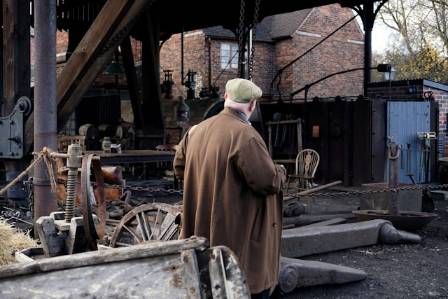
A well-fitted overcoat is more than just a winter essential—it is an investment piece that elevates any outfit, keeps you warm, and stands the test of time. Whether you prefer the structured sophistication of a pea coat, the versatile practicality of a duffle coat, the timeless elegance of a trench coat, or the lightweight refinement of a topcoat, the key is to choose a style that aligns with your climate, lifestyle, and wardrobe. By understanding the unique characteristics of each coat type, you can make a choice that not only keeps you warm but also makes you look sharp, no matter where the day takes you.