स्टोरी फोकस
Alien Frontiers: How Autonomous Robotics are Unlocking the Secrets of Extraterrestrial Worlds
Robotic systems have become the indispensable pioneers of deep-space discovery, venturing where biological life cannot yet survive. These mechanical explorers have elevated our understanding of the cosmos, allowing us to study the surfaces of distant planets and the silent stretches of the outer solar system. As we stand on the threshold of a new era of discovery, the evolution of autonomous machines is providing a glimpse into a future where we may finally answer the oldest questions about our universe and the potential for life beyond Earth.
Marcus Adrian Langston
रिपोर्टर
Robotic systems have become the indispensable pioneers of deep-space discovery, venturing where biological life cannot yet survive. These mechanical explorers have elevated our understanding of the cosmos, allowing us to study the surfaces of distant planets and the silent stretches of the outer solar system. As we stand on the threshold of a new era of discovery, the evolution of autonomous machines is providing a glimpse into a future where we may finally answer the oldest questions about our universe and the potential for life beyond Earth.
Current Mechanical Pioneers in the Galactic Search
On the International Space Station, a trio of cube-shaped autonomous assistants known as Astrobees—named Honey, Queen, and Bumble—are currently laying the groundwork for future alien colony management. While they assist with daily chores and inventory, their primary value lies in testing the self-governing software required for future habitats on the Moon and Mars. Equipped with sophisticated sensors, perching arms, and independent navigation, these robots can operate without human guidance. They serve as a vital blueprint for the high-tech guardians that will maintain our spacecraft and extraterrestrial bases while human crews are resting or traveling through deep space.
Simultaneously, the BepiColombo mission—a joint venture between European and Japanese space agencies—is navigating the extreme environment of Mercury. Launched in 2018 and set to enter orbit in 2026, this mission utilizes two specialized robotic modules to peer beneath the planet's scorched surface. By analyzing magnetic fields and searching for water ice in polar shadows, these machines are teaching us how to identify life-sustaining resources on planets that sit dangerously close to their stars.
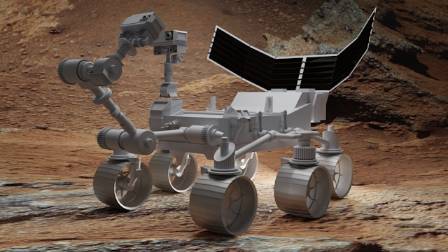
Furthering this push, the Artemis program is deploying advanced rovers like VIPER to investigate the lunar South Pole. VIPER is a sophisticated mobile laboratory designed to endure the harsh, lightless craters of the Moon. Its mission is to locate water ice—a critical resource for fuel and oxygen—that will support future long-term stays. By utilizing artificial intelligence, VIPER can make split-second decisions and navigate treacherous terrain independently, a necessity when communication delays with Earth make real-time remote piloting impossible.
Upcoming Expeditions to Mysterious Moons and Deep Space
In 2026, the Martian Moons eXploration (MMX) mission will embark on a daring robotic journey to Phobos, one of Mars' mysterious satellites. This international effort involves a specialized rover designed to study the moon's surface and collect physical samples for return to Earth. By examining the fine dust and mineral composition of Phobos, these robots act as a bridge to our understanding of the early solar system and the origins of the Martian environment.
Looking further into the decade, the Europa Clipper is scheduled to arrive at Jupiter’s moon, Europa, in 2030. This mission is specifically designed to hunt for signs of alien life. The spacecraft will use ice-penetrating radar and infrared cameras to map the frozen shell of the moon and investigate the vast, hidden ocean that lies beneath. This robotic explorer is tasked with determining if the chemical conditions in these dark waters could support biological organisms. To survive so far from the Sun, the craft is fitted with massive solar arrays, proving that robotics can operate even in the dimmest reaches of our solar system.
Another collaborative effort, the LUPEX mission, is set to launch after 2028 to further scrutinize the lunar poles. This project will deploy a specialized rover to measure the quantity and quality of water ice in the soil. The goal is to determine if the Moon can truly support a permanent human presence, using robotic data to transform the lunar surface from a desolate wasteland into a sustainable outpost for humanity’s next leap into the stars.
The Future Role of Autonomous Intelligence in Alien Exploration
As we target asteroids and ice-covered moons even further from home, robots will take on the most dangerous and technically demanding roles. Future machines will be powered by advanced machine learning, allowing them to explore uncharted territories and solve complex problems without waiting for instructions from Earth. These autonomous units will be responsible for building the first structures on other worlds, servicing long-distance spacecraft, and mining essential minerals from the surfaces of alien bodies.
The international cooperation seen in missions like LUPEX and MMX demonstrates how shared robotic technology can reduce the costs and risks of exploring the unknown. Beyond simple data collection, these robots are now being used to construct the infrastructure of the future. By sending robots as our vanguard, we ensure that when humans finally arrive on distant worlds, the foundations for survival will already be in place. Through the eyes and sensors of these mechanical explorers, the mysteries of the universe are finally becoming clear, paving the way for a future where life exists far beyond our home planet.

और पढ़ें
The Great Egret A Graceful Bird and a Story of Conservation Victory
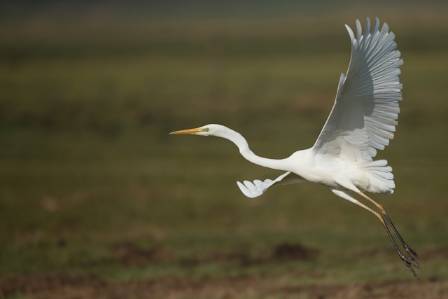
The Great Egret, with the scientific name Ardea alba, is an extraordinarily elegant bird that draws attention with its bright white feathers and dignified manner. You’ll often spot it gliding smoothly over wetland areas or standing completely still in shallow water. As part of the heron family, Ardeidae, this bird lives in a range of water-based habitats across the globe. This piece delves into the Great Egret’s physical traits, behaviors, living environments, conservation status, and its importance in both ecology and culture.

टॉप 7 लाइटहाउस
मीलों दूर से भी, यह बीम नाविकों को याद दिलाता है कि वे कभी भी सच में अकेले नहीं होते हैं।
चंद्रमा के गड्ढे क्या हैं? वे कैसे बने?
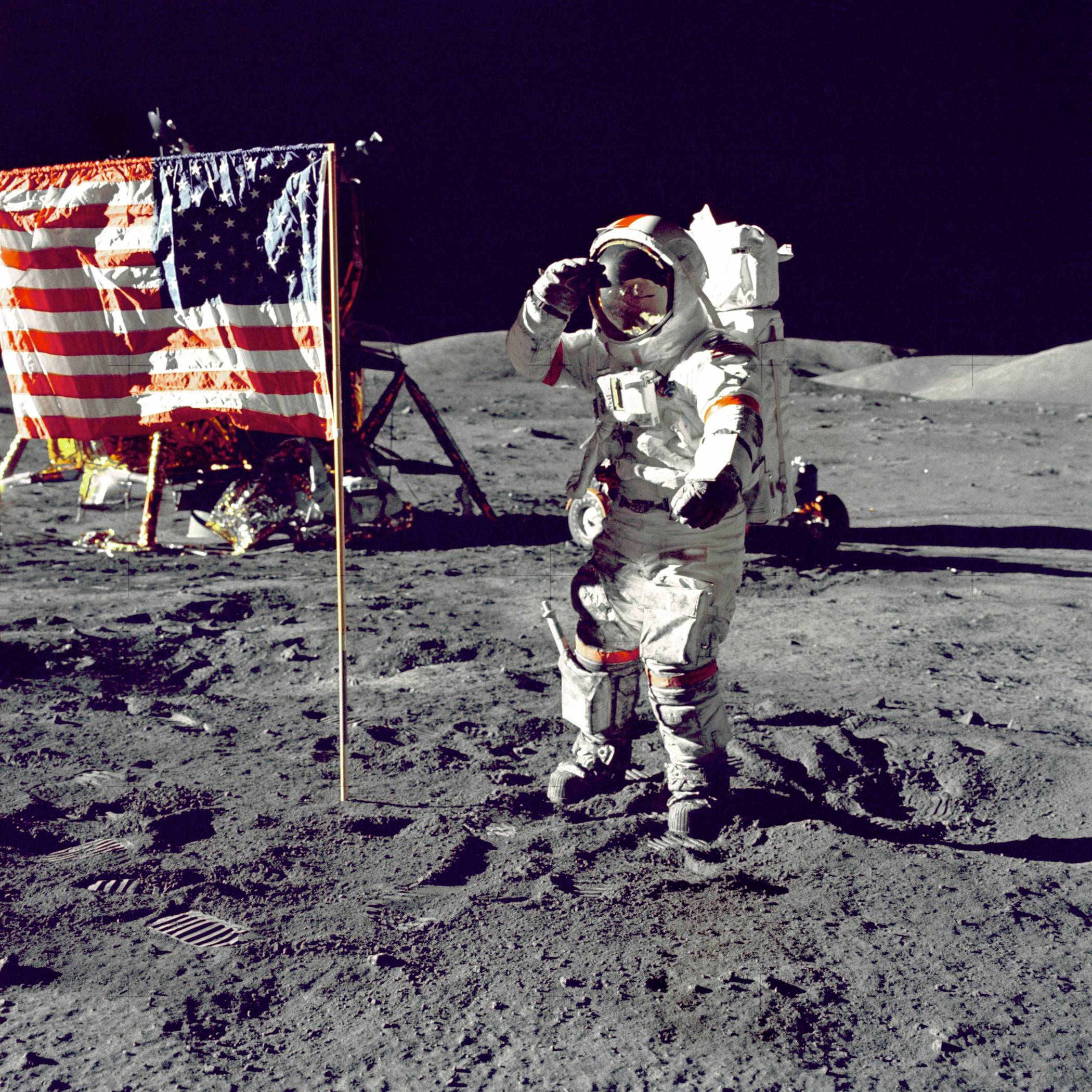
चंद्रमा के गड्ढे कटोरे के आकार की भू-आकृतियाँ हैं जो दो प्रक्रियाओं के कारण बनते हैं: ज्वालामुखी गतिविधि और टक्कर। चंद्रमा पर सैकड़ों हज़ारों गड्ढे हैं, जिनका आकार एक मील से कम से लेकर विशाल बेसिन तक होता है, जिन्हें 'मारे' कहा जाता है। इन्हें कभी समुद्र समझा जाता था।
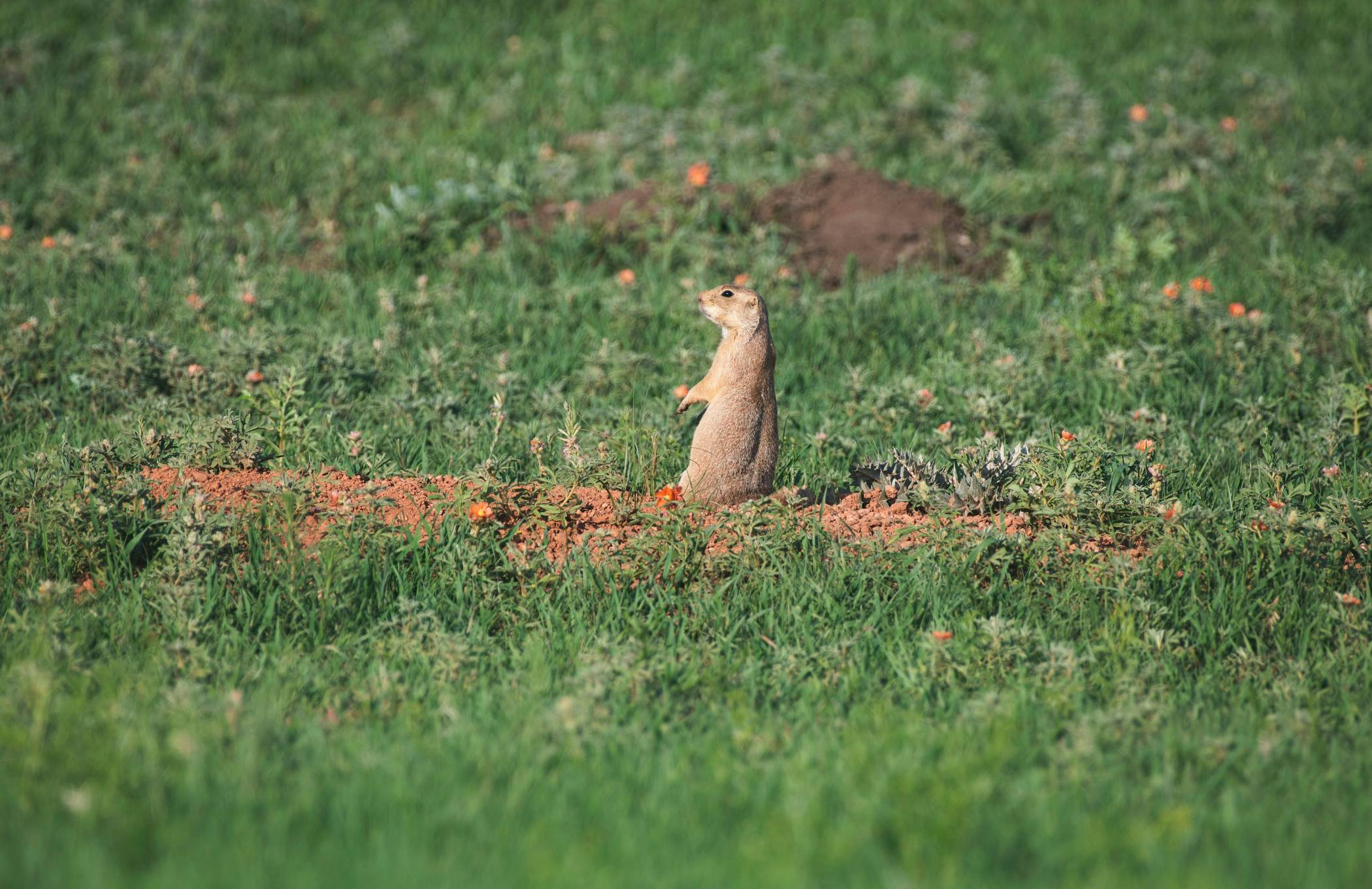
साइनोमिस मेक्सिकनस
यह ढीली मिट्टी को अपने पंजों से खोदता है, और बिल के दरवाज़े को सटीक हरकतों से चौड़ा करता है

कप्पाडोसिया में घूमने की 8 बेहतरीन जगहें
कप्पाडोसिया तुर्की के सबसे लोकप्रिय स्थलों में से एक है, और इसकी एक खास वजह है - इसके मनमोहक दृश्य कहीं और से बिल्कुल अलग हैं। जब प्राचीन ऐतिहासिक स्थलों और गर्मजोशी से स्वागत करने वाले लोगों से भरी समृद्ध सांस्कृतिक विरासत के साथ इसे जोड़ा जाता है, तो यह समझना आसान है कि यह हर किसी के तुर्की यात्रा कार्यक्रम में क्यों एक ज़रूरी जगह बन जाती है। इतने सारे विकल्पों से अभिभूत न हों - हमने कप्पाडोसिया में घूमने की आठ सबसे शानदार जगहों को चुना है, इसलिए आपको बस टिकट बुक करना है और जाना है।

दुनिया के 2 सबसे सुंदर झील किनारे के लॉज, न्यू यॉर्क से लेकर इटली तक
पानी के स्रोतों में, झीलें आसानी से सबसे अधिक अनदेखी की जाती हैं। यहां तक कि हॉट टब भी अधिक ध्यान आकर्षित करते हैं।

बिग बेन फोटो स्पॉट: बिग बेन की सबसे अच्छी तस्वीरें कहाँ लें
लंदन में बिग बेन को व्यक्तिगत रूप से देखना सबसे जादुई चीजों में से एक है। अब जब इसे फिर से बहाल कर दिया गया है और फिर से खोल दिया गया है, तो यह पहले से कहीं ज़्यादा चमकदार है। अगर आप लंदन की अपनी यात्रा पर प्रतिष्ठित बिग बेन के साथ तस्वीरें लेना चाहते हैं, तो मेरे पास आपके लिए सबसे अच्छी बिग बेन फोटो स्पॉट हैं।

केले के 11 सबूत वाले हेल्थ बेनिफिट्स
केले को छीलने पर उसमें नरम, मीठा स्वाद दिखता है जो एकदम फ्रूटी मज़ा है।

Beginner's Guide to Acrylic Painting: Capturing a Monarch Butterfly
Creating a vibrant butterfly on canvas is an approachable project for any aspiring artist when you deconstruct the process into simple, manageable strokes. This tutorial focuses on the iconic Monarch, guiding you through the layering of colors and fine details that bring these delicate creatures to life. By moving past the "uncertain" middle stages of a painting, you will discover how small finishing touches create a professional and polished result.

क्या पिज़्ज़ा सेहतमंद है? पिज़्ज़ा प्रेमियों के लिए पोषण संबंधी सुझाव
पिज़्ज़ा दुनिया भर में कई लोगों का पसंदीदा भोजन है। स्वादिष्ट क्रस्ट, मीठी टमाटर की चटनी और नमकीन मोज़ेरेला चीज़ का व्यसनी संयोजन निश्चित रूप से सबसे ज़्यादा पसंद करने वाले लोगों को भी पसंद आएगा। हालाँकि, इसे आम तौर पर अस्वस्थ माना जाता है, क्योंकि इसमें कैलोरी, सोडियम और कार्ब्स की मात्रा ज़्यादा हो सकती है। यह लेख सबसे लोकप्रिय प्रकार के पिज़्ज़ा के पोषण की समीक्षा करता है और इसे स्वस्थ बनाने के लिए सुझाव देता है।