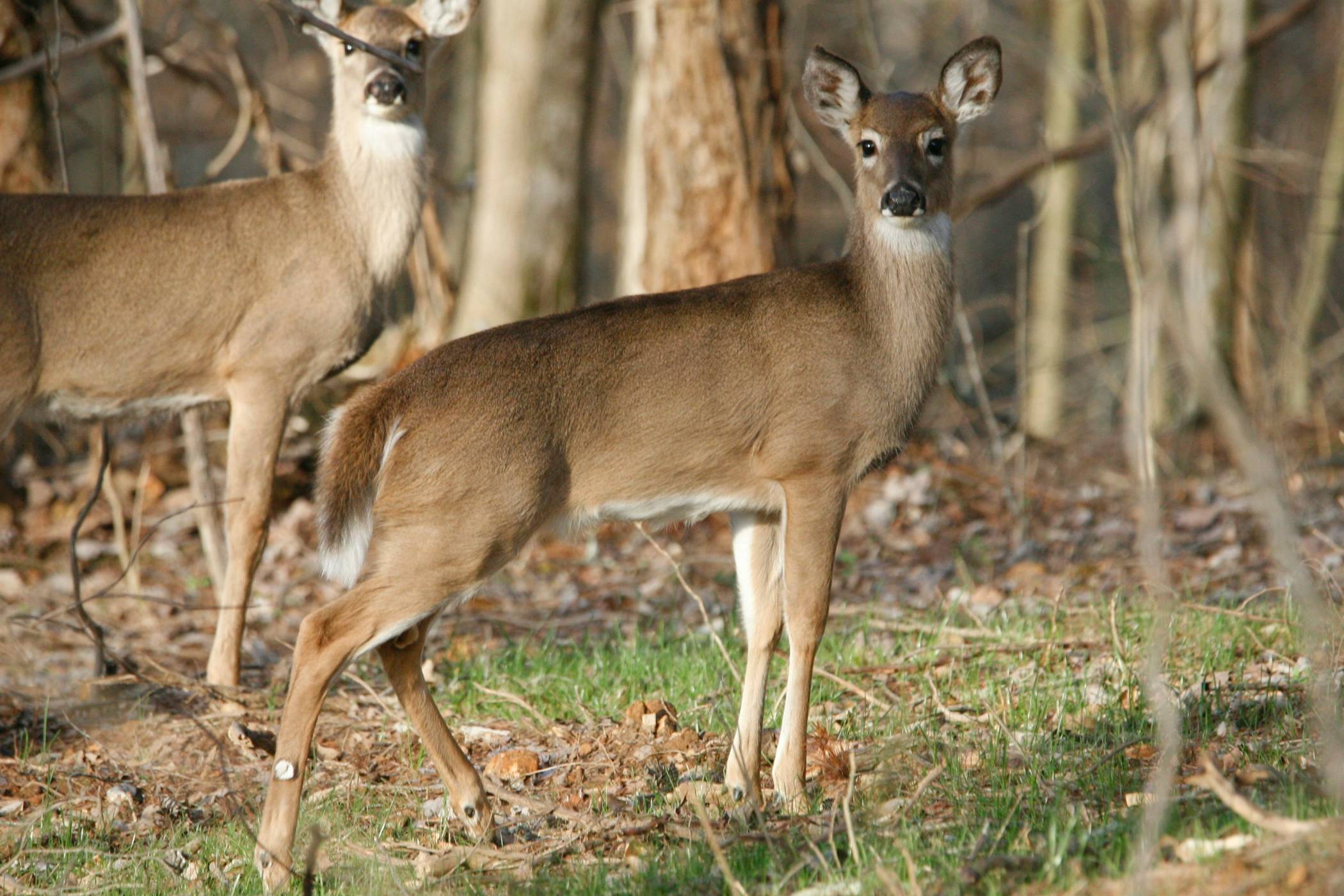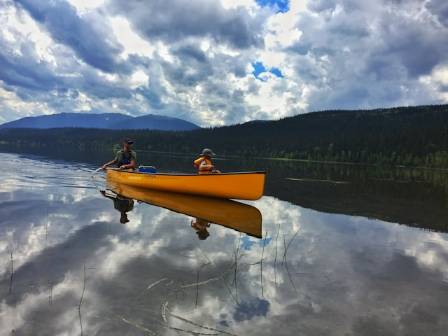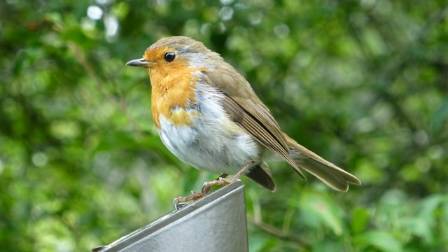
Birds are not randomly scattered across the globe; instead, each habitat nurtures a unique assemblage of avian species that have evolved specialized traits to thrive in their specific environments. Imagine standing in a lush, emerald-green forest, a vast, waterlogged marsh, and a barren, sun-scorched desert—these three landscapes differ dramatically in climate, vegetation, and resource availability, making it impossible for the same bird species to dominate all three. For birdwatchers, understanding habitat specificity is the key to spotting rare or target species, a principle that applies to nearly all flora and fauna on Earth. This guide delves into major bird habitats, their defining characteristics, and the remarkable adaptations that enable birds to survive and flourish within them.
Diversity of Bird Habitats
Birds are among the most adaptable creatures on the planet, having colonized nearly every habitat type, from the highest mountain peaks to the deepest oceanic waters. Their ability to thrive in such varied environments stems from millions of years of evolutionary refinement, which has produced species uniquely suited to terrestrial, aquatic, marine, and even human-altered landscapes. Below is an exploration of the core habitat categories and the avian residents that call them home.
Terrestrial Bird Habitats
Terrestrial habitats, which include mountains, deserts, grasslands, savannas, forests, and riparian zones, are defined by their land-based ecosystems and varying levels of vegetation cover. Alpine and mountain habitats are dynamic, harsh environments where survival is a constant challenge due to extreme weather, low temperatures, thin air, and limited oxygen at high altitudes. Species like the Andean Goose have evolved physiological adaptations, such as efficient oxygen-carrying blood cells, to thrive in these unforgiving conditions. Deserts, one of Earth’s most widespread terrestrial habitats, are characterized by scarce surface water, sparse vegetation, and extreme temperature fluctuations. Despite these challenges, iconic species like the Greater and Lesser Roadrunner have adapted to desert life, with specialized kidneys that conserve water and omnivorous diets that allow them to exploit a wide range of food sources, from insects to small reptiles. Grasslands are expansive, open habitats dominated by grasses, found on every continent except Antarctica. They support a rich array of bird species, including Meadowlarks, known for their melodic songs, and Gray Partridges, ground-dwelling birds that rely on grass cover for camouflage and nesting. Savannas, a transitional habitat between grasslands and forests, are characterized by vast grassy plains dotted with scattered trees. This productive ecosystem is home to some of the world’s largest birds, such as the Common Ostrich, which uses its long legs for speed and powerful kicks for defense against predators. Forests, dominated by dense tree cover, thrive in high-rainfall areas and boast exceptional biodiversity, especially in tropical regions. Tropical forest specialists like the Harpy Eagle, with its massive talons and keen eyesight, hunt small mammals from the forest canopy, while temperate and boreal forest species like the Northern Goshawk are agile predators adapted to navigating dense woodlands. Riparian zones, the vegetation-lined corridors along rivers and streams, are ecological hotspots that differ sharply from surrounding habitats. Even in deserts, these zones provide critical sources of water, food, and nesting sites for birds like the Wood Duck, which depends on tree cavities near water for breeding.
Aquatic and Marine Habitats
Aquatic and marine habitats encompass wetlands, lakes, estuaries, mangroves, rocky shores, sandy beaches, and the open ocean, supporting birds that have evolved to live in or near water. Wetlands, including marshes, swamps, fens, and seasonal pans, are shallow-water ecosystems that are either permanently or seasonally flooded. They are biodiversity hubs, supporting a vast array of shorebirds, wildfowl, and wading birds that rely on the rich invertebrate life and aquatic plants for food. Lakes are deeper, more permanent aquatic habitats than wetlands, formed either naturally or by human damming of rivers. They provide critical habitats for diving birds like Grebes and Loons, which have streamlined bodies and webbed feet adapted for underwater swimming and catching fish. Estuaries and mangroves are transitional zones where rivers meet the ocean, creating brackish water environments teeming with invertebrates, fish, and crustaceans. These habitats are vital for migratory shorebirds like Sandpipers, which stop to feed during long-distance journeys, as well as fish-eating birds like the Osprey, which uses its sharp talons to snatch prey from the water’s surface. Rocky shores and sandy beaches are coastal habitats that offer abundant feeding opportunities for shorebirds and safe nesting grounds for pelagic species. The rocky intertidal zone is rich in marine invertebrates, while sandy beaches attract species like Ruddy Turnstones and Sanderlings, which probe the sand for tiny crustaceans and insects. The pelagic zone, the open ocean far from shore, is an exposed, often stormy habitat with no fresh water and limited nesting sites. Despite these challenges, birds like Albatrosses, Petrels, and Shearwaters have evolved to spend most of their lives at sea, with large wingspans for efficient gliding and salt glands that excrete excess salt from their bodies.
Anthropogenic Habitats
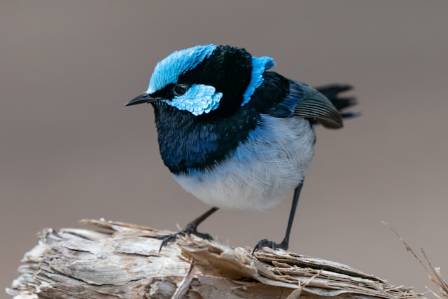
Anthropogenic habitats—landscapes modified or created by human activity—include farmland and urban/suburban areas, and they have become increasingly important for birds that can adapt to human presence. Farmland is a heavily modified habitat consisting of pastures, arable crops, orchards, and hedgerows. Many bird species have successfully adapted to this environment, including Starlings, which form massive flocks to feed on crop pests, and Barn Owls, which nest in farm buildings and hunt small mammals like mice and voles in open fields. Urban and suburban areas are among the most drastically altered habitats on Earth, yet they attract a variety of adaptable bird species. Suburban gardens, with their mix of native and non-native plants, bird feeders, and nesting boxes, support a surprising diversity of common birds. In contrast, city centers are dominated by hardy, generalist species like the Feral Rock Dove and House Sparrow, which have evolved to exploit food sources like discarded human food and nest in building crevices.
Adaptations to Different Habitats
Earth’s habitats vary dramatically in environmental conditions, from the frozen coastlines of Antarctica to the misty canopies of South American cloud forests. No single bird species can survive in all these environments, so birds have evolved specialized traits to occupy the habitats that provide the food, water, and shelter they need to thrive. Some generalist species, like Common Ravens and Barn Owls, are highly adaptable and have massive distribution ranges spanning multiple habitat types. In contrast, many specialist species have extremely restricted ranges, surviving only in specific, unique habitats. Birds exhibit a wide range of adaptations to their preferred habitats, including coloration, physical features, thermoregulation, behavioral traits, and migration. Coloration is a critical adaptation for camouflage: the Snowy Owl’s pure white plumage allows it to blend into Arctic snow, while the Bittern’s cryptic, streaked feathers help it hide in reedbed habitats. Physical features are shaped by habitat needs: Flamingos, Stilts, and Herons have extremely long legs adapted for wading in shallow wetlands, while Ducks and other swimming birds have webbed feet for efficient propulsion in water. Thermoregulation is essential for surviving extreme temperatures: birds from cold habitats have dense plumage and feathered legs and feet to retain heat, while desert birds have thin, light-colored feathers that reflect sunlight and reduce heat absorption. Behavioral adaptations include specialized foraging, roosting, and nesting habits that allow birds to survive in their habitats. Finally, migration is a key adaptation for birds living in habitats that are only suitable during certain seasons. Millions of birds migrate annually, traveling across continents and oceans to reach more favorable wintering or nesting grounds when their home habitats become too cold or dry.
Importance of Habitat Diversity
Birds are integral to the functioning of ecosystems, playing key roles in pollination, seed dispersal, pest control, and nutrient cycling. They pollinate flowering plants, spread seeds to new areas, control insect and rodent populations, and provide food for larger predators like foxes, eagles, and snakes. Through these interactions, birds subtly alter their habitats and create opportunities for other species to thrive. Habitat diversity directly impacts bird diversity: tropical habitats and structurally complex ecosystems (like forests with multiple canopy layers) support the highest number of bird species, as well as a rich variety of plants and other animals. Areas with multiple overlapping habitats—such as a forest adjacent to a wetland or a grassland near a riparian zone—are particularly biodiverse, as they provide a range of resources for different bird species. Even undisturbed open habitats like grasslands and semideserts support surprising bird diversity, thanks to the presence of native plants and invertebrates. In contrast, homogeneous habitats like large-scale arable croplands have low biodiversity, as they lack the structural complexity and resource variety needed to support a wide range of species.
Threats to Bird Habitats
While some bird habitats are resilient to disturbance, many are highly sensitive to changes in their environment. Climate change is one of the most significant threats, causing rising temperatures, shifting rainfall patterns, and sea-level rise that can alter or destroy habitats like wetlands, polar regions, and tropical forests. Anthropogenic activities—including agriculture, logging, mining, and urbanization—are major drivers of habitat loss and degradation, as they clear natural landscapes, fragment habitats into isolated patches, and introduce pollution. Natural events also contribute to habitat change: droughts, floods, wildfires, storms, and volcanic eruptions can dramatically alter landscapes, with long-lasting effects on bird populations. Invasive species, both plant and animal, also pose a threat, as they outcompete native species for resources, alter habitat structure, and disrupt ecological balance.
Conservation Efforts
Healthy bird habitats are essential for the survival and reproduction of avian species, making habitat conservation a critical priority for birdwatchers, scientists, and policymakers alike. Protected areas such as national parks, wildlife reserves, and wilderness areas play a vital role in safeguarding natural habitats, providing safe havens for birds and other wildlife. These areas are also among the best places for birdwatchers to observe rare species and experience undisturbed nature. Protecting existing habitats and restoring degraded landscapes requires collaborative efforts at all levels: from individuals planting native plants in their gardens to private landowners implementing sustainable land management practices, and from local governments creating urban green spaces to international organizations working to combat climate change and habitat loss. Individuals can contribute to bird habitat conservation by supporting local conservation groups, choosing sustainable products and foods that reduce the environmental footprint of agriculture and logging, and creating native bird habitats in their communities—such as installing bird feeders, nesting boxes, and native plant gardens that provide food, water, and shelter for birds.
Summary
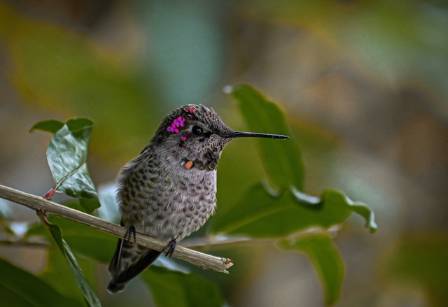
Our planet is home to an astonishing diversity of habitats, each supporting a unique subset of the world’s approximately 10,000 bird species. From the highest mountain peaks to the deepest ocean waters, these habitats provide the food, water, and shelter that birds need to survive and thrive. Each habitat is not only vital for avian species but also for the countless other plants and animals that depend on it, making habitat conservation more important than ever. As human populations grow and put increasing pressure on natural landscapes, conservation action is critical to protecting these habitats and ensuring that birds—and the ecosystems they support—continue to flourish for generations to come. We hope this guide has inspired you to explore the wonderful world of bird habitats, and we invite you to learn more about unique ecosystems like forests, deserts, and wetlands in our upcoming collection of in-depth habitat guides.