स्टोरी फोकस
Vanishing Starry Skies
As urban sprawl and white LED lighting intensify, fewer stars remain visible at night. But basic lighting changes can help restore the darkness.
Haruki Murakami
रिपोर्टर
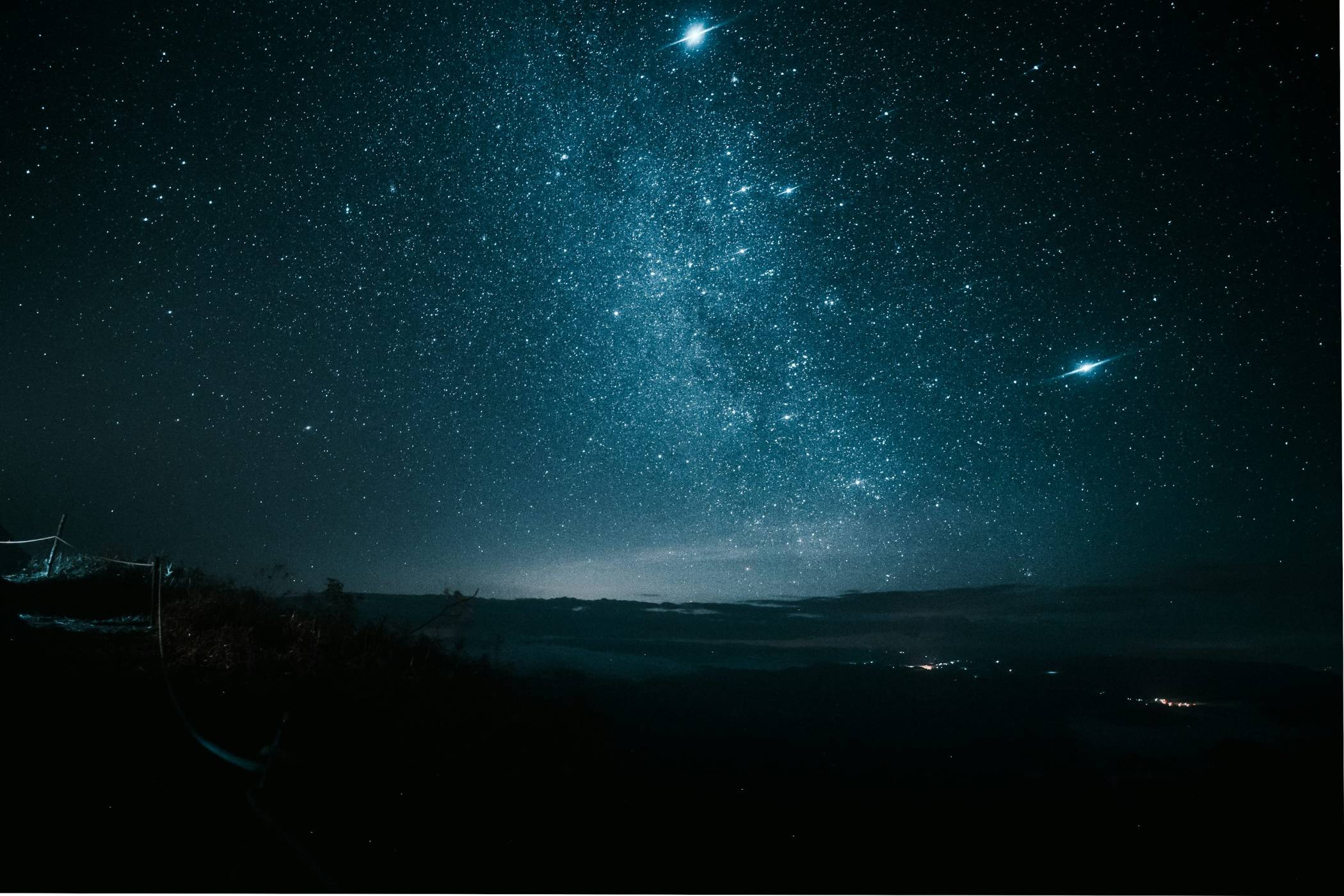
As urban sprawl and white LED lighting intensify, fewer stars remain visible at night. But basic lighting changes can help restore the darkness.
As the Sun sets and darkness falls, artificial lights switch on — washing out the stars above. This increasing brightness at night poses a major challenge for astronomers, wildlife, and people who value clear night skies.
A recent global study analyzed how nighttime brightness, known as skyglow, has intensified over the past decade. With over 51,000 reports from amateur skywatchers worldwide, researchers discovered that the night sky is brightening at an average rate of 9.6% per year, erasing more stars from view than satellite data had previously suggested.
“When cities switch to LED lighting, satellites may register less brightness. But in reality, many areas are still getting significantly brighter at night,” explained Christopher Kyba, lead author of the study and light pollution expert at Germany’s GFZ Helmholtz Centre Potsdam.
How Skyglow Works
Skyglow is caused by artificial light bouncing off particles in the air and clouds, much like sunlight scattering during the day to create blue skies. This nighttime illumination obscures faint stars. Over the years, expanding cities have added brighter, whiter lights — especially LEDs — that scatter more than the older, warmer-toned street lamps.
An aerial comparison of East Calgary, Canada, taken from space shows the dramatic shift: in 2010, roads and buildings were lit with amber-colored sodium lamps. By 2021, most had been replaced by cooler, white LEDs, and many new lights were added.
This transition to LED lighting has complicated efforts to track skyglow using satellite instruments. Most satellites rely on outdated sensors developed during the Cold War that are poorly suited for detecting bluish LED light. They also measure ground-level brightness from above, missing much of the upward-scattered light that causes skyglow.
“A more accurate way to gauge light pollution is from the ground, looking up — not down from space,” said Christian Luginbuhl, director of the Flagstaff Dark Skies Coalition.
Stargazers Help Measure Light Pollution
To get a clearer picture, Kyba and his team turned to citizen science through the Globe at Night initiative, managed by NOIRLab. Participants from 180 nations submitted data about how many stars they could see from their location. Using 51,000 entries collected between 2011 and 2022, researchers assessed changes in sky visibility in urban and rural settings.
Their findings: each year, the number of stars visible to the naked eye drops by nearly 10%. That means a child born under a sky where 250 stars are visible might see only 100 of them by the time they turn 18.
This ground-based measurement shows light pollution is increasing six times faster than satellite observations suggest. That’s largely because most data came from populated areas where lighting grows faster than in rural regions.
“This study strongly reinforces what many experts have been warning about: light pollution is rising almost everywhere — and rapidly,” said Luginbuhl.
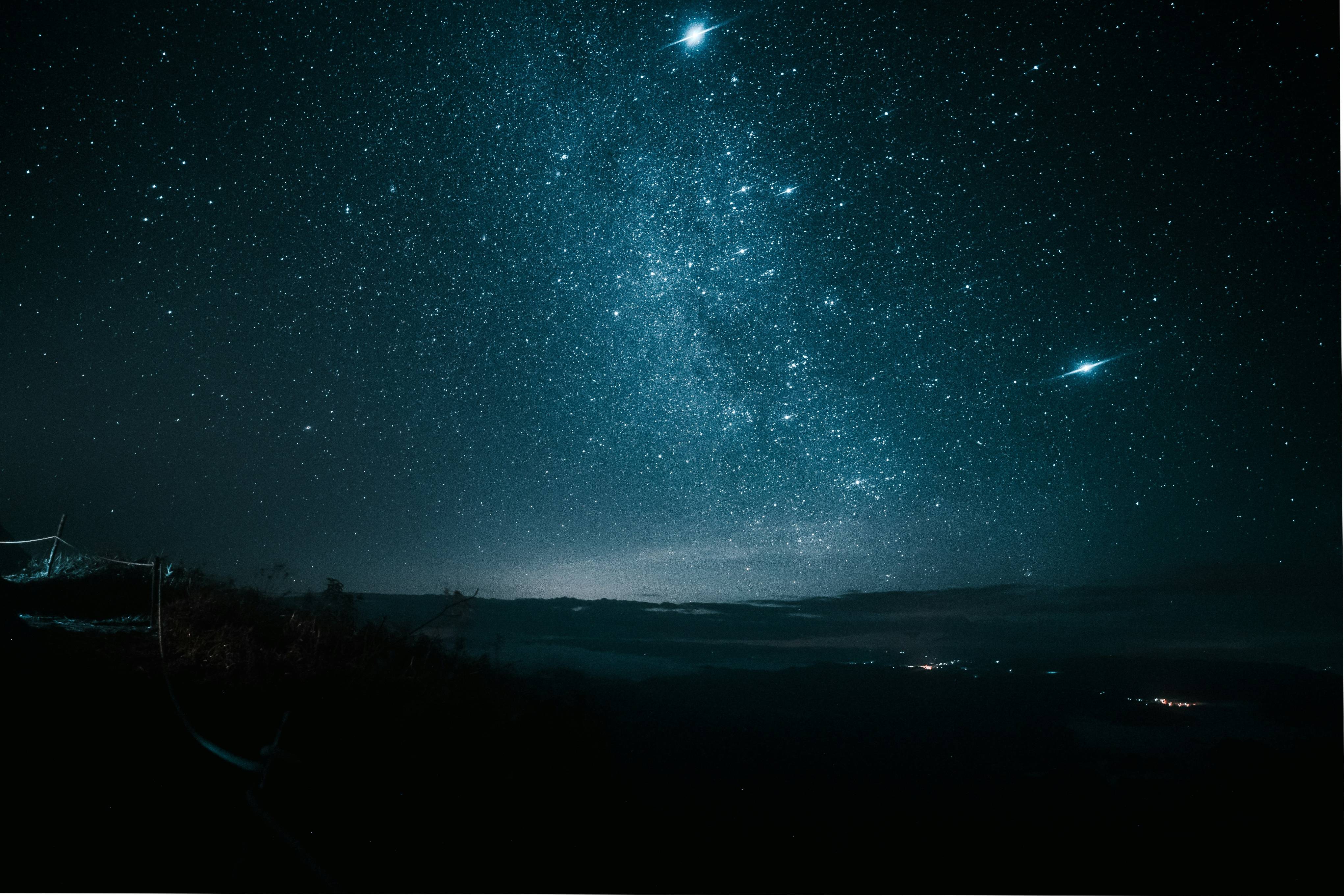
Why It Matters
“This work offers a reliable indicator of how dark skies are disappearing,” said Richard Green, astronomer at the University of Arizona’s Steward Observatory. “The speed of change is deeply troubling. It suggests rising interference with natural rhythms and a major waste of electricity.”
Images from the U.S. National Park Service show stark differences in sky brightness near Flagstaff, Arizona, and Cheyenne, Wyoming. Though both cities are similar in size, Flagstaff’s long-standing light pollution policies have preserved darker skies compared to Cheyenne.
The effects of artificial lighting go far beyond ruined stargazing. Nearly half of all species are nocturnal, including key pollinators and migratory animals like sea turtles and birds. These creatures depend on natural day-night cycles for survival.
“It’s an enormous shift in the environment,” Kyba said. “Life evolved under a consistent rhythm of bright days and dark nights. But within just a century, that balance has vanished over large portions of the world — especially in North America, Europe, and Asia.”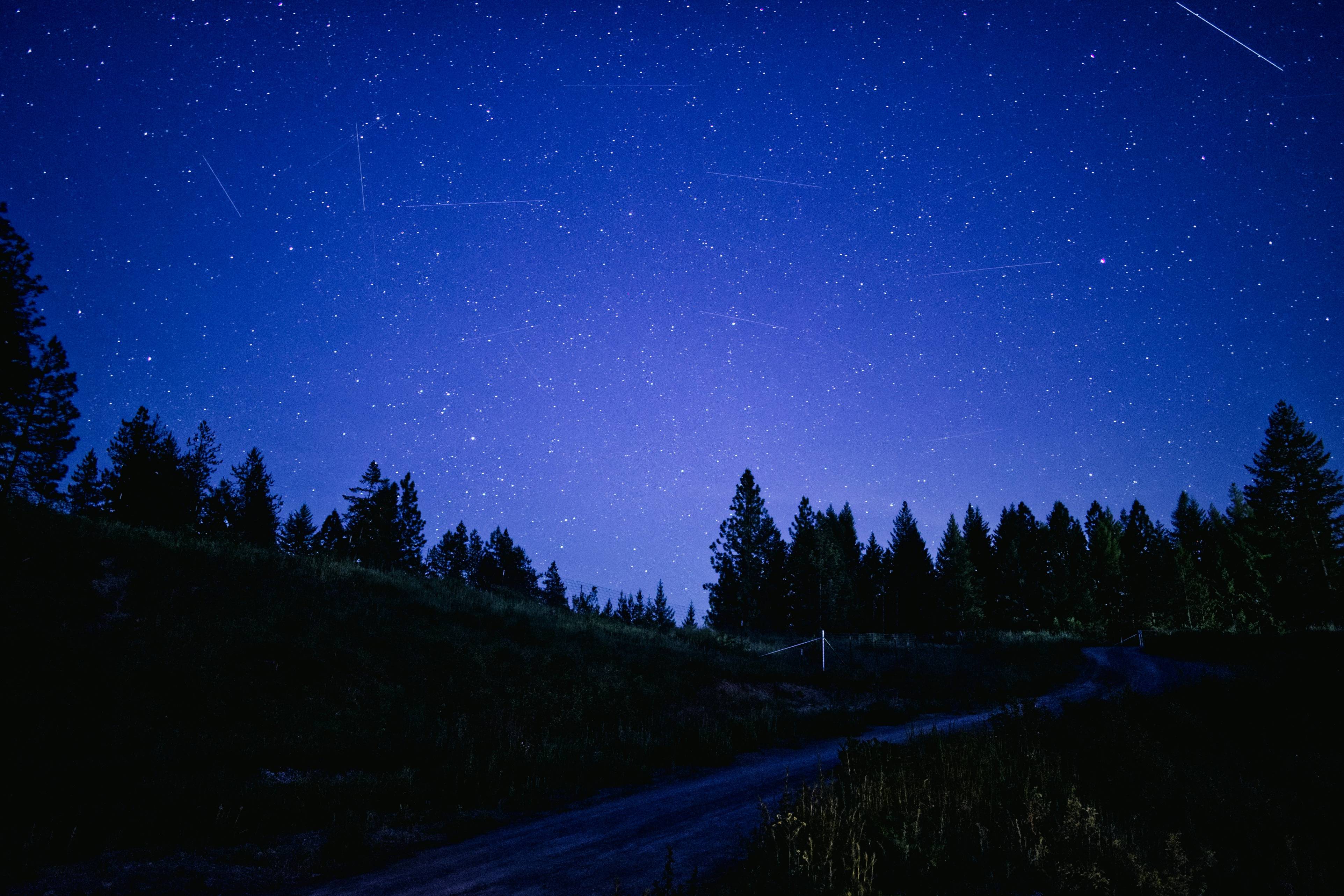
What We Can Do
Certain communities, especially those near observatories or sensitive ecosystems, already regulate outdoor lighting. But even at the individual or neighborhood level, people can make meaningful changes.
“We’re not talking about turning off essential lights,” said Green. “We’re talking about using lighting responsibly — the right amount, in the right place, and at the right time.”
Here are a few simple, effective solutions:
Use fully shielded fixtures that direct light downward.
Replace white LEDs with warmer-toned bulbs (yellow or amber).
Install timers or motion sensors so lights shine only when needed.
By adopting these practices, Green says, “We could realistically reduce night sky brightness by up to 90%.”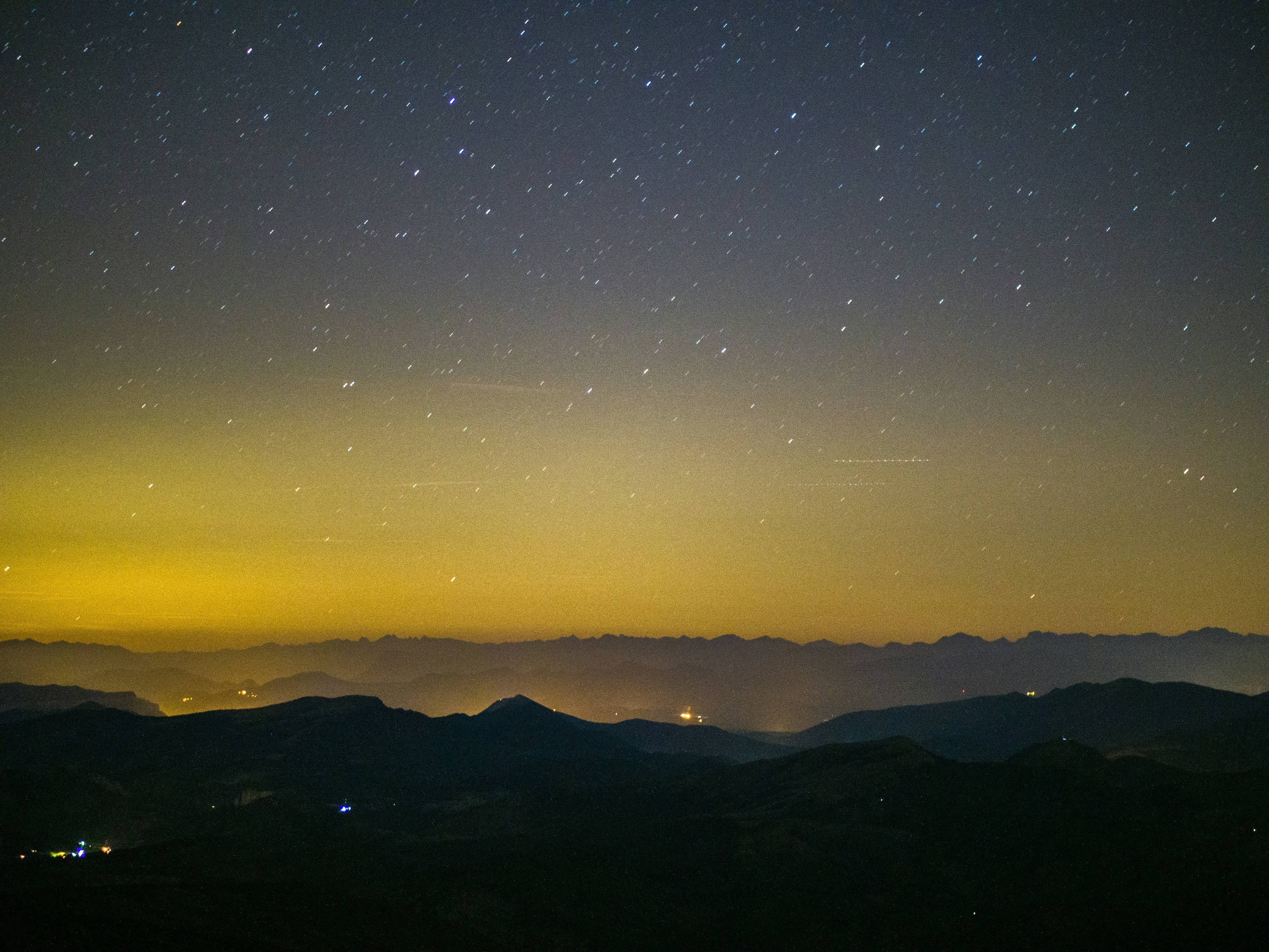
और पढ़ें

शुरुआती लोगों के लिए रग्बी पर टिप्स: स्किल्स, फिटनेस और गेम की समझ बनाना
रग्बी के स्प्रिंट में स्पीड का धुंधलापन और ज़बरदस्त एनर्जी होती है।

मीठे पानी के चमत्कार - 10 भयानक जानवर जो झीलों में रहते हैं
कई अलग -अलग जानवर झीलों में रहते हुए पाए जा सकते हैं। मछली और मेंढकों से लेकर सांप और कछुए तक, विविधता आश्चर्यजनक है।

UNESCO Designates 13 New Global Geoparks in Africa, Asia, Europe, and North America
UNESCO's Executive Board, in a momentous decision, has officially recognized 13 additional Geoparks that illuminate the immense geological diversity present across our planet. The global network now proudly boasts 140 UNESCO Global Geoparks spanning 38 countries. Here's an introduction to these newly designated sites:

इन 8 बीच पर दुनिया का सबसे नीला पानी है
उथले नीले पानी में, हर आवाज़ धीमी हो जाती है, हर रंग शांत हो जाता है

Master the Art of Crispy Takoyaki: A Guide to Japan’s Iconic Octopus Dumplings
Originating from the vibrant culinary scene of Osaka, Japan, takoyaki—a name derived from tako (octopus) and yaki (grilled)—are savory, spherical seafood treats. These beloved street food snacks have gained international popularity for their unique combination of a crispy exterior and a tender, flavorful center.

सीगल और उसके व्यवहार को समझना
चट्टान के किनारे पर बैठा, दूर की लहरों को देखता हुआ, कभी-कभी पूंछ हिलाता हुआ

How to Select the Right Leisure Sofa for Your Rental Property
If you're a landlord or property manager looking to enhance your rental property, selecting the perfect leisure sofa can make a significant impact.

10 Fascinating Facts About Horses
Horses continue to captivate humans with their remarkable physiological adaptations and unique behaviors. These majestic creatures possess extraordinary characteristics that have evolved over centuries of domestication and survival in the wild.

The World's Most Stunning Urban Skylines: A Visual Celebration
Cities across the globe are renowned not only for their cultural richness and vibrant street life but also for their breathtaking skylines. These impressive cityscapes combine architectural innovation, historical landmarks, and natural surroundings, creating unforgettable views that define their identity. From towering skyscrapers piercing the clouds to gracefully lit waterfronts, these skylines represent the heart and soul of their cities. Here are ten of the most magnificent skylines that captivate residents and visitors alike, arranged in the same sequence as the original list.

एल कैपिटन के बारे में 10 तथ्य
पर्वतारोही और पैदल यात्री एल कैपिटन की भव्य ग्रेनाइट दीवारों को देखकर अचंभित हो जाते हैं